 EN
EN

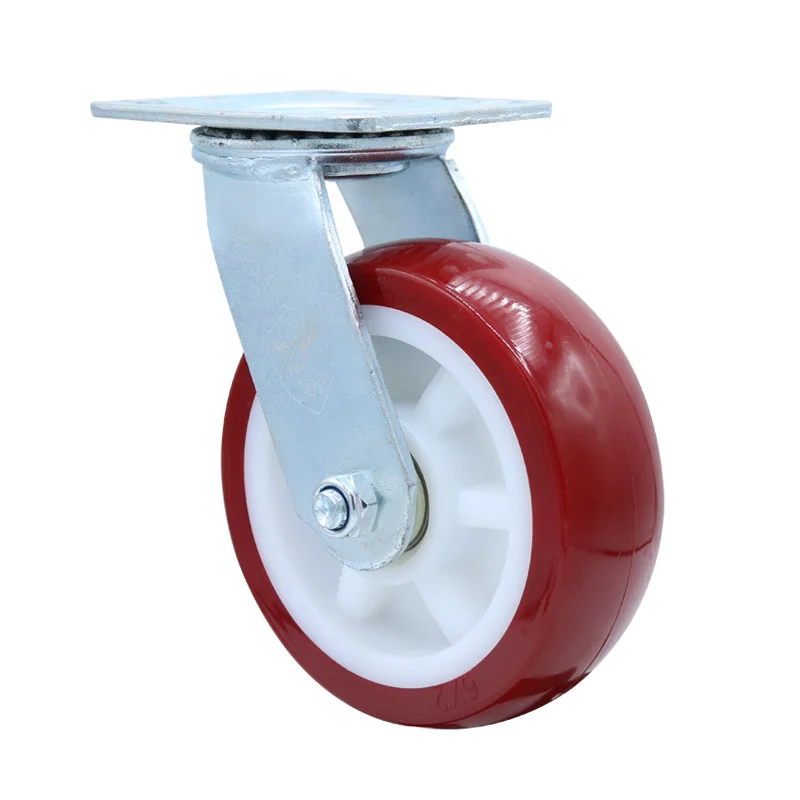
In today's industrial landscape, selecting the right mobility solutions for equipment and machinery requires careful consideration of multiple factors. When businesses invest in high-quality castor wheels, they're making a decision that directly impacts operational efficiency, safety standards, and long-term cost effectiveness. The process of sourcing these essential components involves evaluating technical specifications, material composition, load requirements, and supplier reliability to ensure optimal performance across diverse applications.
The industrial mobility sector has witnessed significant advancements in recent years, with manufacturers developing innovative solutions that address specific operational challenges. Understanding these developments and their practical implications enables buyers to make informed decisions that align with their operational requirements and budget constraints.
Load Capacity and Performance Specifications
Understanding Weight Distribution Requirements
Load capacity represents one of the most critical factors when evaluating castor wheel options for industrial applications. Buyers must accurately calculate the total weight their equipment will carry, including static loads, dynamic loads, and any additional forces generated during operation. This calculation should account for uneven weight distribution, which commonly occurs in real-world scenarios where loads shift or concentrate in specific areas.
Dynamic load considerations extend beyond simple weight calculations to include factors such as acceleration forces, stopping distances, and directional changes. Equipment that frequently starts and stops or changes direction places additional stress on castor wheels, requiring higher safety margins in load capacity ratings. Professional engineers typically recommend selecting wheels with capacity ratings that exceed actual requirements by 25-50% to ensure reliable performance and extended service life.
Safety Factor Implementation
Implementing appropriate safety factors in load calculations protects against unexpected stress conditions and ensures consistent performance throughout the product lifecycle. Industrial environments often present unpredictable challenges, including temporary overloading, impact forces, and environmental stresses that can exceed normal operating parameters. Quality manufacturers provide detailed load rating documentation that accounts for these variables.
The relationship between load capacity and wheel diameter also influences performance characteristics. Larger diameter wheels generally distribute weight more effectively and reduce rolling resistance, while smaller wheels may offer better maneuverability in confined spaces. Buyers should evaluate these trade-offs based on their specific operational requirements and space constraints.
Material Selection and Durability Factors
Wheel Material Properties
Material selection significantly impacts the performance, longevity, and cost-effectiveness of high-quality castor wheels across different applications. Polyurethane wheels offer excellent load-bearing capacity, chemical resistance, and floor protection properties, making them suitable for warehouse and manufacturing environments. Steel wheels provide maximum durability and load capacity but may require additional floor protection measures.
Rubber wheels excel in applications requiring noise reduction and shock absorption, while nylon wheels offer chemical resistance and lightweight properties. Each material presents specific advantages and limitations that buyers must evaluate against their operational requirements. Environmental conditions, including temperature ranges, chemical exposure, and moisture levels, influence material selection decisions.
Construction Quality and Manufacturing Standards
Manufacturing quality directly affects product reliability and service life in demanding industrial applications. Buyers should evaluate construction methods, including bearing systems, mounting hardware, and assembly techniques used in wheel production. Precision bearings reduce rolling resistance and extend operational life, while robust mounting systems ensure secure attachment under stress conditions.
Quality control processes implemented by manufacturers provide insight into product consistency and reliability. Reputable suppliers maintain comprehensive testing protocols that verify load capacity, durability, and performance specifications. Documentation of these testing procedures and results demonstrates manufacturer commitment to quality standards and regulatory compliance.
Operational Environment Considerations
Floor Surface Compatibility
Floor surface characteristics significantly influence wheel material selection and performance expectations. Smooth concrete surfaces allow for efficient rolling with harder wheel materials, while textured or uneven surfaces may require softer materials that conform to irregularities. Chemical exposure from cleaning agents, manufacturing processes, or environmental conditions requires wheels with appropriate chemical resistance properties.
Temperature variations in operational environments affect material properties and performance characteristics. Extreme cold can make some materials brittle, while excessive heat may cause softening or degradation. Buyers should verify that selected wheels maintain their specified properties across expected temperature ranges in their facilities.
Noise and Vibration Control
Noise generation from wheel operation impacts workplace environments and may require specific material choices or design features. Polyurethane and rubber wheels typically produce less noise than steel or hard plastic alternatives, making them preferable in noise-sensitive environments. Vibration transmission through wheels can affect equipment operation and operator comfort, particularly in precision applications.
Wheel design features such as tread patterns, bearing systems, and mounting configurations influence noise and vibration characteristics. Buyers should evaluate these factors based on their specific workplace requirements and any applicable noise regulations or standards.
Supplier Evaluation and Quality Assurance
Manufacturing Credentials and Certifications
Supplier evaluation extends beyond product specifications to include manufacturing capabilities, quality systems, and industry certifications. ISO certification indicates systematic quality management processes, while industry-specific certifications demonstrate compliance with specialized requirements. Buyers should verify supplier credentials and request documentation of quality control procedures.
Production capacity and supply chain stability affect delivery reliability and long-term availability. Suppliers with established manufacturing facilities and robust supply chains provide greater assurance of consistent product availability and quality. Geographic proximity may influence delivery times and shipping costs, particularly for large volume requirements.
Technical Support and Documentation
Comprehensive technical support from suppliers facilitates proper product selection and implementation. Quality manufacturers provide detailed specification sheets, installation guidelines, and application recommendations that help buyers make informed decisions. Access to engineering support during the selection process ensures that chosen products meet specific operational requirements.
Product documentation should include load ratings, material specifications, dimensional drawings, and maintenance recommendations. Clear warranty terms and service policies protect buyers' investments and provide recourse for performance issues. Suppliers who offer application-specific guidance demonstrate expertise and commitment to customer success.
Cost Analysis and Value Assessment
Total Cost of Ownership Calculations
Effective cost analysis extends beyond initial purchase prices to include installation costs, maintenance requirements, and expected service life. Premium wheels may justify higher upfront costs through extended durability, reduced maintenance needs, and improved operational efficiency. Buyers should calculate total cost of ownership over expected product lifecycles to make accurate value comparisons.
Maintenance costs include bearing lubrication, wheel replacement, and potential equipment downtime for service activities. Wheels with sealed bearings and durable construction materials typically require less maintenance and provide better long-term value. Operational efficiency improvements from quality wheels may offset higher initial costs through reduced energy consumption and improved productivity.
Volume Pricing and Procurement Strategies
Volume purchasing strategies can significantly reduce per-unit costs for organizations with multiple applications or ongoing requirements. Suppliers often provide tiered pricing structures that reward larger order quantities or long-term purchase commitments. Standardizing on specific wheel types across multiple applications simplifies procurement and maintenance while potentially reducing costs.
Inventory management considerations include storage requirements, shelf life limitations, and obsolescence risks. Buyers should balance volume discount opportunities against carrying costs and inventory risks. Establishing preferred supplier relationships can provide access to better pricing and priority service while simplifying procurement processes.
Installation and Maintenance Requirements
Mounting System Compatibility
Proper installation ensures optimal performance and longevity from castor wheel investments. Mounting system compatibility between wheels and equipment requires careful evaluation of bolt patterns, mounting heights, and load distribution characteristics. Mismatched mounting systems can create stress concentrations that lead to premature failure or safety hazards.
Installation procedures should follow manufacturer recommendations and industry best practices to ensure safe and reliable operation. Proper torque specifications, alignment procedures, and safety checks prevent installation-related problems that could compromise performance or create liability issues. Training for installation personnel ensures consistent application of proper procedures.
Preventive Maintenance Protocols
Establishing preventive maintenance protocols maximizes service life and maintains performance standards throughout the operational lifecycle. Regular inspection schedules should include bearing condition assessments, wheel wear evaluations, and mounting hardware checks. Early identification of wear patterns or performance degradation enables proactive replacement before failures occur.
Lubrication requirements vary by bearing type and operating conditions, with some wheels featuring sealed bearings that require no maintenance while others need periodic lubrication. Understanding these requirements and establishing appropriate maintenance schedules prevents premature bearing failure and ensures consistent performance. Documentation of maintenance activities supports warranty claims and helps optimize replacement schedules.
FAQ
What factors determine the appropriate load capacity for castor wheels in my application
Load capacity selection depends on the total weight being moved, including the equipment itself plus maximum cargo loads. Calculate the weight per wheel by dividing total system weight by the number of wheels, then add a safety factor of 25-50% to account for uneven loading and dynamic forces. Consider acceleration, deceleration, and turning forces that create additional stress on individual wheels during operation.
How do I choose between different wheel materials for my specific environment
Material selection should consider floor surfaces, chemical exposure, temperature ranges, and noise requirements in your facility. Polyurethane wheels offer versatility for most industrial applications, providing good load capacity and floor protection. Steel wheels handle maximum loads but may damage floors, while rubber wheels reduce noise and provide shock absorption. Evaluate your specific environmental conditions and performance priorities to determine the optimal material choice.
What maintenance requirements should I expect from quality castor wheels
Maintenance requirements vary significantly based on bearing type and operating conditions. Sealed bearing wheels typically require minimal maintenance beyond periodic cleaning and visual inspection, while open bearing systems may need regular lubrication. Establish inspection schedules to monitor wheel wear, bearing condition, and mounting hardware integrity. Proper maintenance extends service life and prevents unexpected failures that could impact operations.
How can I evaluate supplier quality and reliability before making a purchase decision
Evaluate suppliers based on manufacturing certifications, quality control processes, and technical support capabilities. Request product samples for testing in your specific application conditions, and verify load ratings through independent testing if critical applications are involved. Review supplier references from similar applications and assess their ability to provide consistent product availability and technical support throughout the product lifecycle.
Table of Contents
- Load Capacity and Performance Specifications
- Material Selection and Durability Factors
- Operational Environment Considerations
- Supplier Evaluation and Quality Assurance
- Cost Analysis and Value Assessment
- Installation and Maintenance Requirements
-
FAQ
- What factors determine the appropriate load capacity for castor wheels in my application
- How do I choose between different wheel materials for my specific environment
- What maintenance requirements should I expect from quality castor wheels
- How can I evaluate supplier quality and reliability before making a purchase decision