
 EN
EN
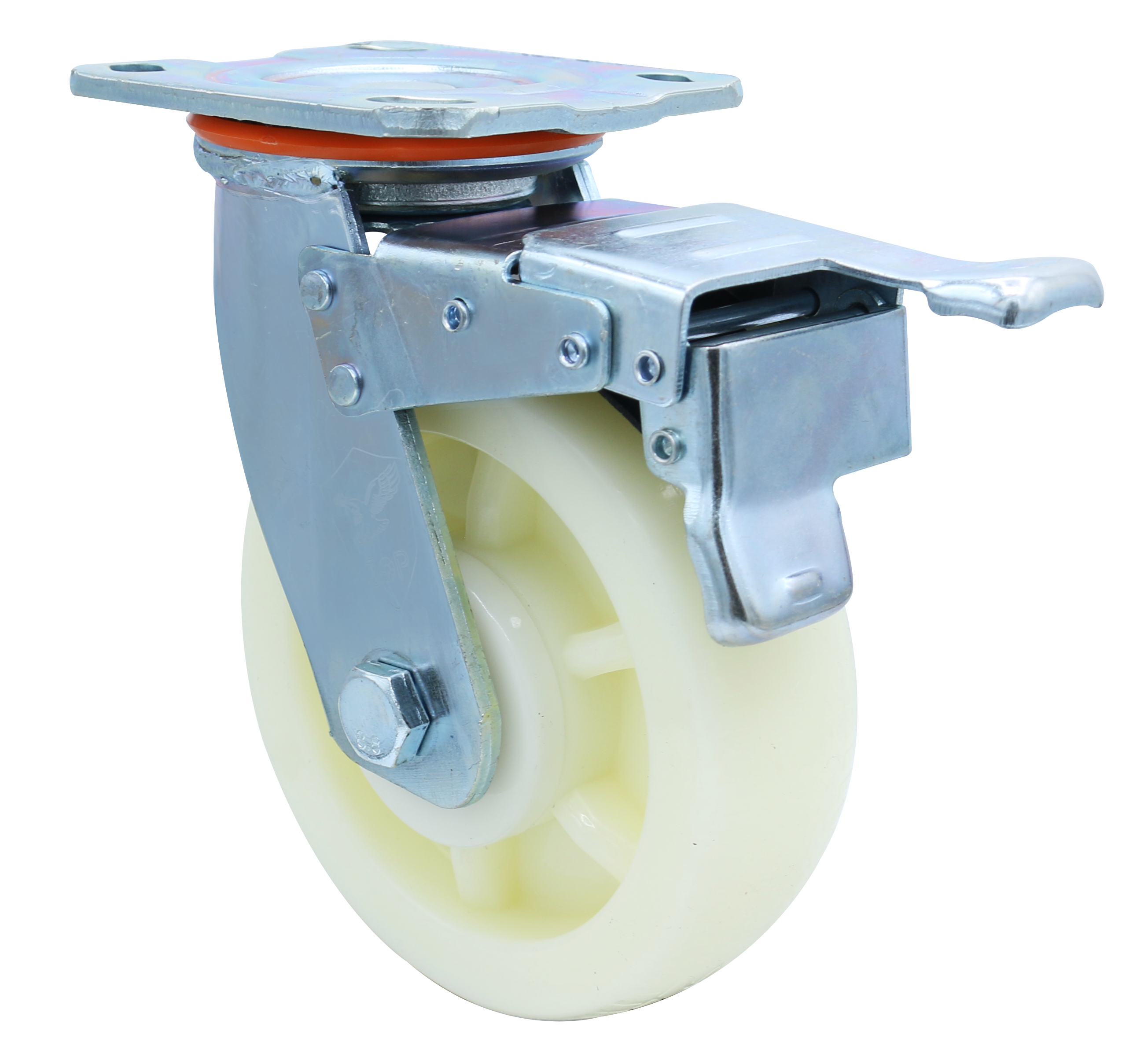
Industrial environments face constant challenges from noise pollution and excessive vibration, which can significantly impact worker productivity, equipment longevity, and overall operational efficiency. Traditional wheels often contribute to these problems through their rigid construction and poor shock absorption capabilities. Modern castor wheels have emerged as an innovative solution, incorporating advanced materials and engineering designs that dramatically reduce both noise levels and vibration transmission in demanding industrial applications.
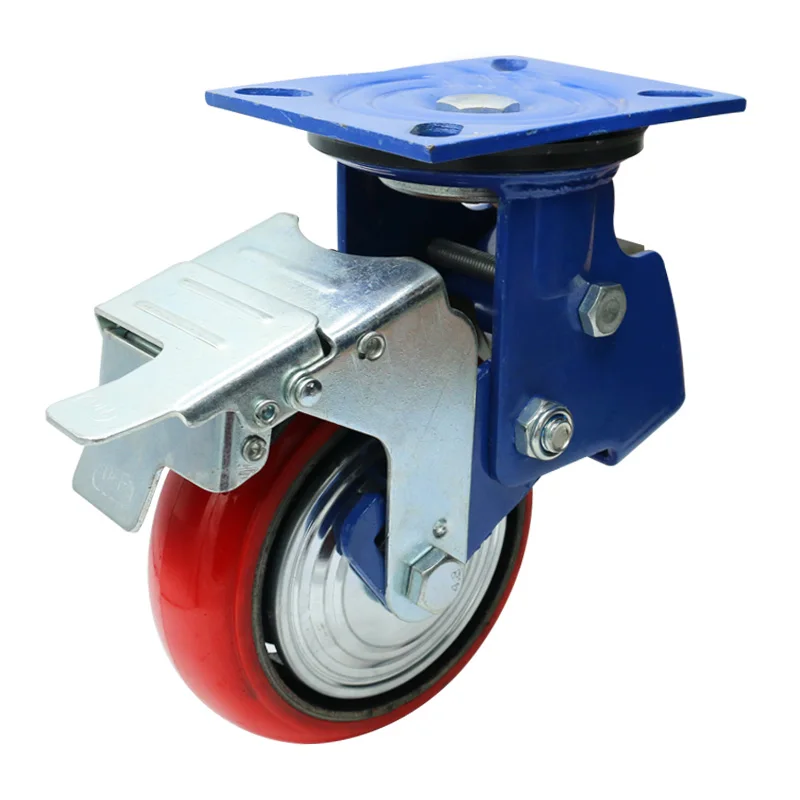
The implementation of specialized castor wheels represents a strategic investment in workplace comfort and operational excellence. These advanced mobility solutions utilize sophisticated dampening mechanisms and noise-reducing materials to address the root causes of industrial noise and vibration. By understanding the science behind these technologies and their practical applications, facility managers can make informed decisions that enhance both worker satisfaction and equipment performance.
Understanding Industrial Noise and Vibration Challenges
Sources of Mechanical Noise in Industrial Settings
Industrial facilities typically generate noise through multiple mechanical processes, with wheeled equipment being a significant contributor. Traditional steel or hard plastic wheels create impact noise when traversing uneven surfaces, while the rolling resistance against concrete floors produces continuous friction-based sound. These noise sources become particularly problematic in manufacturing environments where equipment operates continuously throughout production cycles.
The frequency and intensity of wheel-generated noise depend on several factors, including surface roughness, wheel material composition, and load distribution. Hard wheel materials tend to transmit more sound energy through direct contact with flooring surfaces, while irregular floor conditions amplify impact noise through repeated shock loading. Understanding these mechanisms enables facility managers to identify specific areas where noise reduction strategies can be most effectively implemented.
Impact of Vibration on Equipment and Workers
Excessive vibration transmission from wheeled equipment affects both human operators and sensitive machinery within industrial environments. Workers exposed to prolonged vibration experience increased fatigue, reduced concentration, and potential long-term health impacts related to whole-body vibration exposure. This physiological stress directly correlates with decreased productivity and increased error rates in precision manufacturing tasks.
From an equipment perspective, vibration transmission accelerates wear patterns in mechanical components, leading to premature bearing failure, structural fatigue, and alignment issues. Precision instruments and quality control equipment are particularly susceptible to vibration interference, which can compromise measurement accuracy and product consistency. The cumulative effect of these impacts represents significant hidden costs in industrial operations.
Advanced Materials and Technologies in Modern Castor Wheels
Shock-Absorbing Spring Systems
Contemporary castor wheels incorporate sophisticated spring-dampening systems that significantly reduce vibration transmission from floor surfaces to transported equipment. These spring mechanisms utilize precisely calibrated compression rates to absorb impact energy while maintaining stable load support throughout the operational range. The engineering behind these systems involves complex calculations of spring constants, dampening coefficients, and load distribution patterns.
Spring-loaded castor wheels typically feature multiple dampening stages, with initial compression handling minor surface irregularities and deeper compression managing significant impact loads. This graduated response ensures smooth operation across varied surface conditions while preventing harsh impacts that generate noise and vibration. The spring system also provides rebound control, preventing oscillation that could amplify vibration transmission.
Specialized Wheel Materials and Tread Compounds
The selection of wheel materials plays a crucial role in noise and vibration reduction, with modern compounds offering superior performance compared to traditional options. Advanced polyurethane formulations provide excellent shock absorption while maintaining durability under heavy loads and frequent use. These materials exhibit viscoelastic properties that convert kinetic energy from impacts into heat, effectively dampening vibration transmission.
Rubber compounds enhanced with specialized additives offer additional noise reduction through their inherent flexibility and surface compliance. These materials conform to minor surface irregularities, reducing impact frequency and minimizing the sharp contact forces that generate high-frequency noise. The durometer rating of these materials can be customized to specific applications, balancing noise reduction with load capacity requirements.
Engineering Principles Behind Noise Reduction
Vibration Isolation Theory and Application
Effective vibration isolation in castor wheels relies on fundamental engineering principles that govern energy transmission between surfaces. The isolation effectiveness depends on the frequency ratio between disturbing forces and the natural frequency of the isolation system. Modern castor wheels achieve optimal isolation by incorporating multiple isolation stages, each tuned to different frequency ranges commonly encountered in industrial environments.
The implementation of these principles requires careful consideration of system dynamics, including mass distribution, stiffness characteristics, and dampening ratios. Engineers design castor wheels with specific resonance frequencies that avoid common industrial vibration ranges, preventing amplification effects that could worsen noise and vibration problems. This scientific approach ensures consistent performance across diverse operating conditions.
Acoustic Dampening Mechanisms
Sound generation from wheel contact involves complex interactions between surface textures, material properties, and contact forces. Advanced castor wheels employ multiple acoustic dampening strategies, including surface treatments that reduce friction noise and internal structures that absorb sound energy before it can propagate through the wheel assembly. These mechanisms work synergistically to address both airborne and structure-borne noise transmission.
The effectiveness of acoustic dampening depends on proper impedance matching between different materials within the wheel assembly. Engineers optimize these interfaces to prevent sound energy reflection and promote absorption through material transitions. This approach minimizes both the generation of new noise and the transmission of existing vibration through the wheel structure.
Practical Applications and Implementation Strategies
Selection Criteria for Industrial Environments
Choosing appropriate castor wheels for noise and vibration reduction requires comprehensive evaluation of operational requirements, environmental conditions, and performance expectations. Load capacity remains a primary consideration, as insufficient capacity can lead to premature failure and increased maintenance costs. However, optimal noise reduction often requires selecting wheels with capacity ratings above minimum requirements to ensure proper dampening system performance.
Environmental factors such as temperature extremes, chemical exposure, and moisture levels significantly influence material selection and wheel design. Specialized compounds maintain their dampening properties across wide temperature ranges, while sealed bearing systems prevent contamination that could compromise smooth operation. These considerations ensure long-term performance and sustained noise reduction benefits.
Installation and Maintenance Best Practices
Proper installation of noise-reducing castor wheels involves attention to mounting alignment, hardware selection, and system integration. Misaligned wheels create uneven load distribution that can compromise dampening effectiveness and accelerate wear patterns. Installation procedures should include verification of mounting surface flatness and appropriate torque specifications for all fasteners.
Maintenance protocols for advanced castor wheels focus on preserving dampening system integrity and ensuring optimal performance throughout the service life. Regular inspection of spring mechanisms, bearing condition, and wheel surface wear helps identify potential issues before they impact noise and vibration performance. Preventive maintenance schedules should account for operating environment severity and usage frequency.
Performance Benefits and Measurable Improvements
Quantifiable Noise Reduction Achievements
Industrial facilities implementing advanced castor wheels typically observe measurable noise reduction ranging from 5 to 15 decibels, depending on the specific application and operating conditions. These improvements translate to significant reductions in perceived noise levels, as the decibel scale is logarithmic and even modest reductions represent substantial acoustic improvements. Sound level measurements should be conducted using appropriate instrumentation and measurement protocols to ensure accurate assessment.
The frequency spectrum of noise reduction often shows particular effectiveness in mid-range frequencies where human hearing sensitivity is greatest. This targeted improvement provides enhanced comfort for workers while addressing regulatory compliance requirements related to occupational noise exposure. Documentation of these improvements supports workplace safety initiatives and demonstrates return on investment for noise reduction programs.
Vibration Transmission Reduction Metrics
Vibration reduction performance can be quantified through accelerometer measurements that compare transmission levels before and after castor wheel implementation. Typical improvements range from 30% to 70% reduction in vibration transmission, with greatest effectiveness in low to mid-frequency ranges where most industrial equipment operates. These measurements provide objective data for evaluating system performance and optimizing wheel selection.
The benefits of reduced vibration transmission extend beyond immediate comfort improvements to include measurable impacts on equipment reliability and product quality. Precision manufacturing processes show improved consistency when vibration levels are controlled, while sensitive instruments maintain calibration accuracy for longer periods. These secondary benefits often provide the most significant economic justification for investing in advanced castor wheels.
FAQ
What types of industrial applications benefit most from noise-reducing castor wheels?
Noise-reducing castor wheels provide the greatest benefits in applications involving heavy equipment transport, precision manufacturing environments, healthcare facilities, and noise-sensitive production areas. Industries such as electronics manufacturing, pharmaceutical production, and food processing particularly benefit from these solutions due to their strict noise control requirements and sensitive operational environments.
How do spring-loaded castor wheels maintain load capacity while providing vibration dampening?
Spring-loaded castor wheels use precisely engineered spring systems with calculated compression rates that support full load capacity while providing controlled deflection for vibration absorption. The springs are designed with progressive resistance characteristics, meaning they provide increasing resistance as compression increases, ensuring stable support under maximum loads while maintaining dampening effectiveness during normal operation.
What maintenance requirements are necessary to preserve noise and vibration reduction performance?
Maintaining optimal noise and vibration reduction requires regular inspection of wheel surfaces for wear, lubrication of bearing systems according to manufacturer specifications, and periodic checking of spring mechanism integrity. Proper cleaning to prevent debris accumulation and prompt replacement of worn components ensures sustained performance throughout the service life of the castor wheels.
Can existing equipment be retrofitted with noise-reducing castor wheels without major modifications?
Most industrial equipment can be successfully retrofitted with noise-reducing castor wheels using standard mounting configurations and bolt patterns. However, consideration must be given to height changes from spring systems and potential modifications to accommodate different wheel dimensions. Professional evaluation ensures proper fitment and optimal performance while avoiding compatibility issues that could compromise safety or functionality.
Table of Contents
- Understanding Industrial Noise and Vibration Challenges
- Advanced Materials and Technologies in Modern Castor Wheels
- Engineering Principles Behind Noise Reduction
- Practical Applications and Implementation Strategies
- Performance Benefits and Measurable Improvements
-
FAQ
- What types of industrial applications benefit most from noise-reducing castor wheels?
- How do spring-loaded castor wheels maintain load capacity while providing vibration dampening?
- What maintenance requirements are necessary to preserve noise and vibration reduction performance?
- Can existing equipment be retrofitted with noise-reducing castor wheels without major modifications?