
 EN
EN
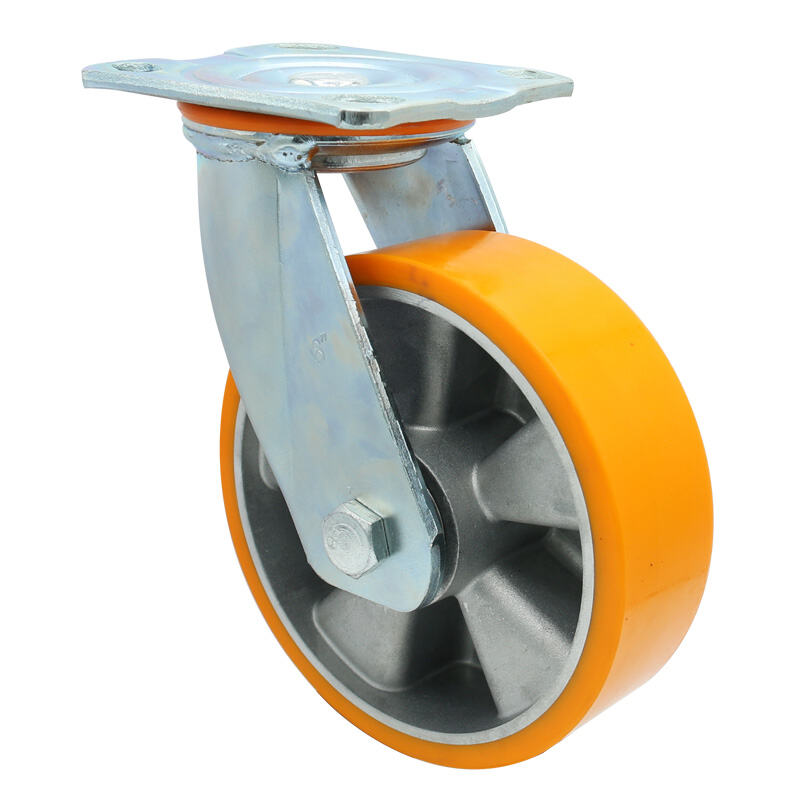
Industrial equipment operators frequently encounter the frustrating problem of swivel caster wobble when moving heavy loads at increased velocities. This mechanical instability not only compromises operational efficiency but also poses significant safety risks in manufacturing environments. Understanding the root causes of swivel caster wobble and implementing proven prevention strategies can dramatically improve equipment performance while reducing maintenance costs and workplace hazards.
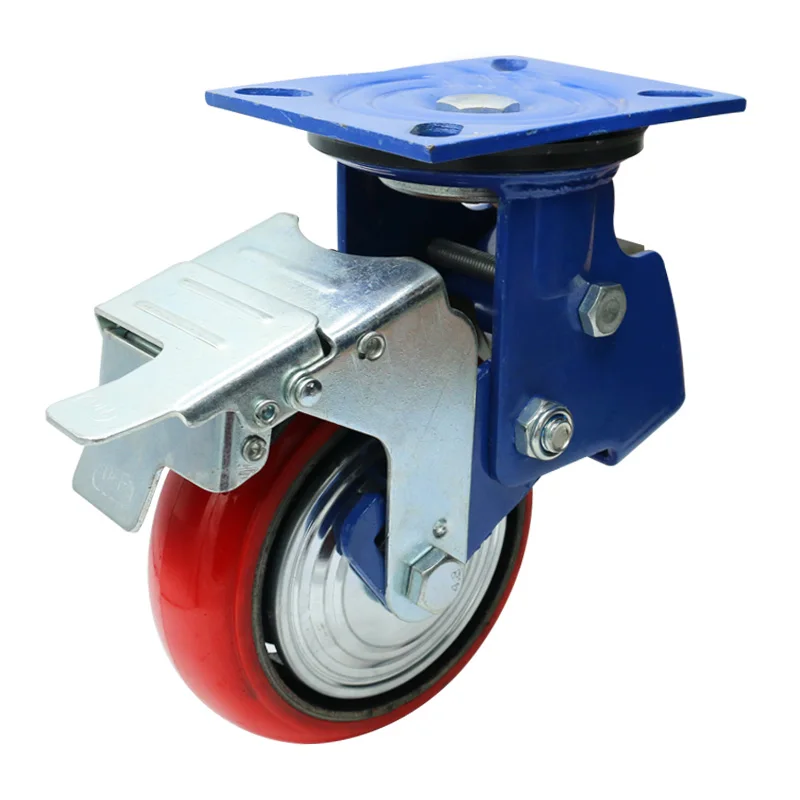
The phenomenon of swivel caster wobble typically manifests as irregular wheel oscillation, excessive vibration, and unpredictable directional changes during transport operations. These symptoms become increasingly pronounced as operational speeds increase, creating a cascade effect that can damage both the caster assembly and the transported equipment. Professional maintenance teams recognize that addressing swivel caster wobble requires a comprehensive approach encompassing proper selection, installation techniques, and ongoing maintenance protocols.
Understanding the Mechanics Behind Swivel Caster Wobble
Primary Causes of Wheel Instability
Swivel caster wobble originates from multiple interconnected factors that compromise the wheel's ability to maintain stable contact with the floor surface. Bearing wear represents one of the most common culprits, as degraded ball bearings or roller bearings cannot provide the precision rotation required for smooth operation. When bearing tolerances exceed acceptable limits, the wheel assembly develops play that manifests as visible wobbling motion during movement.
Wheel deformation constitutes another significant contributor to swivel caster wobble, particularly in applications involving heavy loads or frequent impacts. Polyurethane and rubber wheels can develop flat spots, irregular wear patterns, or structural deformities that create imbalanced rotation. These deformations become amplified at higher speeds, causing the entire caster assembly to vibrate and lose directional stability.
Load Distribution and Weight Factors
Improper load distribution across multiple casters creates uneven weight bearing that exacerbates swivel caster wobble conditions. When individual casters carry disproportionate loads, the overloaded units experience accelerated wear while underloaded casters may lose adequate floor contact. This imbalance creates a feedback loop where wobbling motion redistributes loads unpredictably, further destabilizing the entire system.
Exceeding manufacturer-specified weight ratings represents a critical factor in swivel caster wobble development. Industrial facilities often underestimate the dynamic loads created during acceleration, deceleration, and turning maneuvers, which can exceed static load ratings by significant margins. Understanding these dynamic load factors is essential for preventing premature caster failure and associated wobbling issues.
Prevention Strategies for High-Speed Applications
Proper Caster Selection and Sizing
Selecting appropriate caster specifications represents the first line of defense against swivel caster wobble in high-speed applications. Wheel diameter plays a crucial role in stability, as larger wheels generally provide better floor obstacle navigation and reduced rolling resistance. The relationship between wheel size and load capacity must be carefully balanced to ensure adequate contact pressure without exceeding material stress limits.
Bearing quality significantly impacts long-term performance and wobble resistance in demanding applications. Precision-grade ball bearings or tapered roller bearings offer superior load distribution and reduced play compared to standard sleeve bearings. Sealed bearing assemblies provide additional protection against contamination while maintaining consistent performance in harsh industrial environments.
Installation Best Practices
Proper mounting techniques directly influence the likelihood of developing swivel caster wobble during operation. Mounting surfaces must be perfectly flat and free from debris to ensure uniform load distribution across all caster attachment points. Torque specifications provided by manufacturers must be followed precisely to prevent stress concentrations that can lead to premature bearing failure or structural deformation.
Alignment verification during installation helps prevent operational issues that contribute to swivel caster wobble. All casters should track parallel to each other with consistent floor contact pressure. Misaligned installations create drag forces that promote irregular wear patterns and instability at higher operating speeds.
Advanced Wobble Prevention Technologies
Shock Absorption and Damping Systems
Modern swivel caster wobble prevention incorporates sophisticated shock absorption mechanisms designed to minimize vibration transmission and maintain wheel stability. Spring-loaded caster assemblies provide dynamic load equalization that adapts to varying floor conditions and operational demands. These systems effectively dampen oscillations that would otherwise amplify into problematic wobbling motion.
Pneumatic and hydraulic damping systems offer superior performance in applications where traditional rigid casters fail to provide adequate stability. These advanced systems continuously adjust to changing load conditions while providing consistent floor contact pressure across varying surface irregularities. The damping effect significantly reduces the tendency for swivel caster wobble to develop during high-speed operations.
Material Science Innovations
Contemporary wheel materials incorporate advanced polymer compositions designed to resist deformation and maintain dimensional stability under demanding operating conditions. Thermoplastic polyurethane formulations provide excellent wear resistance while maintaining consistent hardness properties throughout their service life. These materials significantly reduce the likelihood of developing irregular wear patterns that contribute to swivel caster wobble.
Composite wheel designs combine multiple materials to optimize performance characteristics for specific applications. Steel cores provide structural integrity while elastomeric treads offer floor protection and noise reduction. This hybrid approach delivers superior resistance to the mechanical stresses that typically lead to wobbling issues in conventional single-material wheels.
Maintenance Protocols for Wobble Prevention
Preventive Inspection Procedures
Establishing regular inspection schedules enables early detection of conditions that lead to swivel caster wobble before they compromise operational safety or efficiency. Visual inspections should focus on identifying wear patterns, bearing play, and structural damage that indicate impending failure. Systematic documentation of inspection findings helps identify recurring issues and optimize replacement intervals.
Measurement protocols using precision instruments provide quantitative data about caster condition and performance degradation. Dial indicators can measure bearing play while durometers assess wheel hardness changes that affect rolling characteristics. These measurements create objective criteria for maintenance decisions rather than relying solely on subjective assessments.
Lubrication and Bearing Maintenance
Proper lubrication practices significantly extend bearing life and reduce the likelihood of developing swivel caster wobble due to increased friction and wear. Food-grade lubricants may be required in certain applications while high-temperature formulations serve specialized industrial environments. Lubrication schedules must account for operating conditions, load factors, and environmental contamination risks.
Bearing replacement procedures require careful attention to installation techniques and quality specifications. Proper tools and techniques prevent damage during installation while ensuring optimal fit and performance. Contamination prevention during bearing replacement protects new components from premature failure that could lead to renewed wobbling issues.
Environmental Factors Affecting Caster Stability
Floor Surface Considerations
Floor surface quality directly impacts the development and severity of swivel caster wobble in industrial applications. Irregular surfaces create dynamic loading conditions that stress caster components and promote unstable rolling motion. Maintaining smooth, level floor surfaces represents a fundamental requirement for preventing wobbling issues in high-speed operations.
Surface contamination from oils, debris, or chemical residues can significantly affect wheel traction and promote sliding conditions that contribute to swivel caster wobble. Regular cleaning protocols and contamination control measures help maintain consistent surface conditions that support stable caster operation across varying environmental conditions.
Temperature and Humidity Effects
Temperature fluctuations affect material properties in ways that can influence swivel caster wobble susceptibility. Elastomeric wheel materials may become harder or softer depending on ambient conditions, altering their contact characteristics with floor surfaces. Understanding these temperature effects enables appropriate material selection for specific operating environments.
Humidity variations can affect bearing lubrication properties and promote corrosion that degrades precision fits within caster assemblies. Sealed bearing designs provide protection against moisture intrusion while maintaining consistent performance across varying humidity conditions. Environmental controls may be necessary in critical applications where stability requirements are particularly demanding.
FAQ
What are the most common signs of swivel caster wobble?
The most obvious indicators include visible wheel oscillation during movement, excessive noise or vibration from the caster assembly, and difficulty controlling direction during transport operations. Equipment operators may also notice increased rolling resistance or uneven tire wear patterns that suggest developing instability issues.
How does load capacity affect wobble development?
Exceeding recommended load ratings accelerates bearing wear and wheel deformation that directly contribute to swivel caster wobble. Dynamic loads during acceleration and turning can exceed static ratings by 200-300%, making proper capacity selection critical for preventing instability issues in demanding applications.
Can wobbling casters be repaired or must they be replaced?
Minor wobbling caused by contamination or lubrication issues can often be resolved through cleaning and maintenance procedures. However, worn bearings, deformed wheels, or damaged mounting hardware typically require component replacement to restore proper stability and prevent safety hazards.
What maintenance interval prevents most wobble problems?
Monthly visual inspections combined with quarterly detailed assessments typically identify developing issues before they become problematic. High-usage applications may require more frequent monitoring while light-duty installations can often extend intervals based on actual operating conditions and performance history.