
 EN
EN
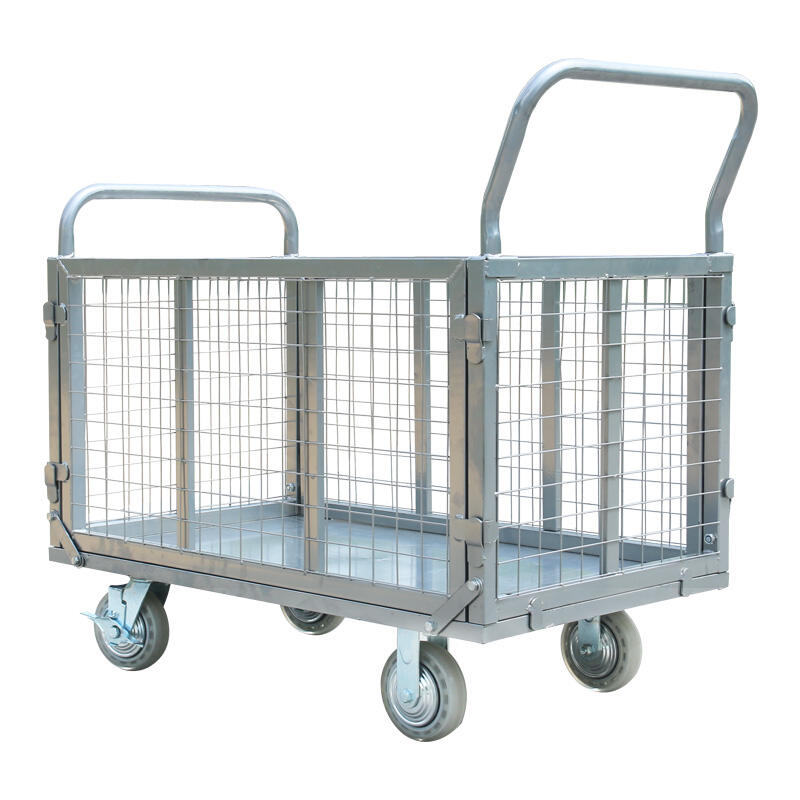
Industrial environments present unique challenges when it comes to material handling and equipment mobility. Traditional caster wheels often struggle to provide adequate protection against the harsh impacts and vibrations common in manufacturing facilities, warehouses, and heavy-duty applications. Spring loaded casters have emerged as an innovative solution that addresses these concerns by incorporating advanced shock absorption technology directly into the wheel assembly. These specialized mobility solutions transform how equipment moves across various surfaces while protecting both the cargo and the underlying infrastructure from damaging forces.
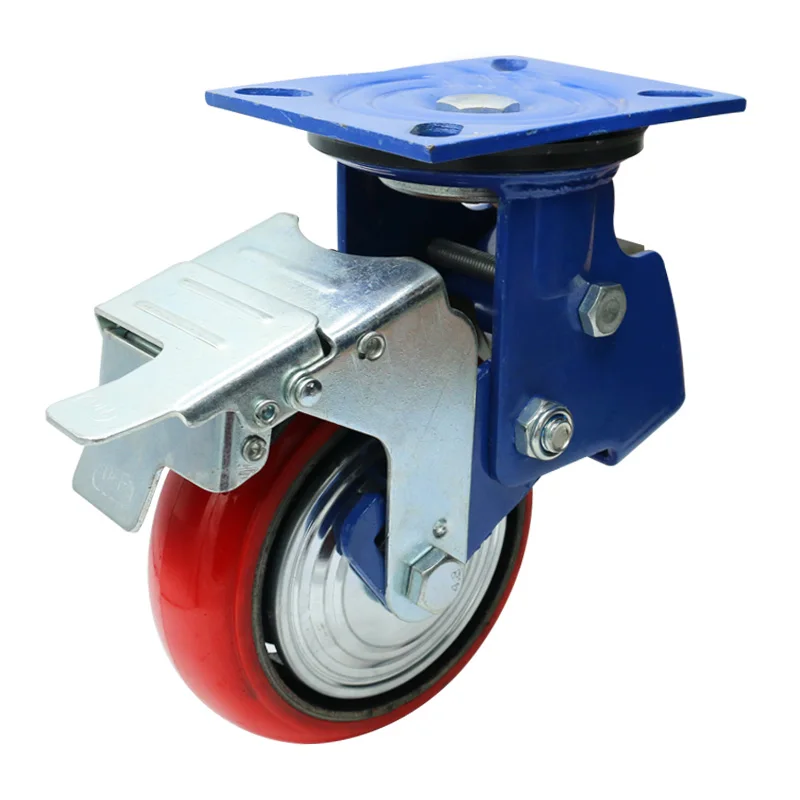
The fundamental principle behind spring loaded casters lies in their ability to absorb and dissipate kinetic energy that would otherwise transfer through the equipment frame to sensitive components or cargo. Unlike conventional rigid casters that transmit every bump and impact directly through the mounting system, spring loaded casters utilize mechanical spring mechanisms to cushion these forces. This technology proves particularly valuable in applications where delicate instruments, precision machinery, or fragile materials require protection during transport or positioning activities.
Modern industrial facilities increasingly rely on spring loaded casters to maintain operational efficiency while reducing maintenance costs associated with vibration-related damage. The integration of shock absorption technology at the wheel level represents a proactive approach to protecting valuable equipment and ensuring consistent performance across diverse operating conditions. These specialized casters have become essential components in industries ranging from aerospace manufacturing to pharmaceutical production, where even minor vibrations can compromise product quality or equipment calibration.
Engineering Principles of Shock Absorption
Mechanical Spring Systems
The core mechanism within spring loaded casters consists of precisely engineered coil springs or leaf spring assemblies positioned between the wheel mounting point and the main caster frame. These springs are calibrated to compress under load while maintaining sufficient resistance to support the intended weight capacity. When the caster encounters an obstacle or uneven surface, the spring system compresses to absorb the impact energy rather than transmitting it directly through the mounting hardware to the equipment above.
Material selection for these spring systems plays a crucial role in determining performance characteristics and longevity. High-grade steel alloys with specific tensile strengths and fatigue resistance properties ensure consistent shock absorption over millions of compression cycles. The spring rate, measured in pounds per inch of compression, is carefully matched to the expected load requirements and operating conditions of each application.
Dynamic Load Distribution
Spring loaded casters excel at distributing dynamic loads across multiple contact points, reducing stress concentrations that could damage flooring or create uncomfortable vibrations. The spring mechanism allows the wheel to maintain better ground contact even when traversing irregular surfaces, improving traction and reducing the likelihood of sudden jarring movements that could destabilize transported equipment.
This load distribution capability becomes particularly important when moving heavy machinery or sensitive instruments across factory floors with expansion joints, cable runs, or surface imperfections. The spring system automatically adjusts to accommodate these variations while maintaining smooth, controlled movement that protects both the equipment and the facility infrastructure.
Vibration Reduction Mechanisms
Frequency Isolation Principles
Vibration isolation in spring loaded casters operates on the principle of creating a mechanical buffer between the vibration source and the protected equipment. The spring and damping system work together to interrupt the transmission path of harmful frequencies, particularly those in ranges that could cause resonance in sensitive components or create operator discomfort during manual handling operations.
The natural frequency of the spring-mass system formed by the caster assembly can be tuned to avoid resonance with common industrial vibration sources such as motors, compressors, or structural oscillations. This tuning process involves careful selection of spring rates and damping coefficients to achieve optimal isolation performance across the expected operating frequency range.
Damping Characteristics
Advanced spring loaded casters incorporate damping elements alongside their primary spring systems to control oscillations and prevent excessive bouncing after impact events. These damping mechanisms may include friction elements, viscous fluid systems, or elastomeric components that convert kinetic energy into heat, effectively removing unwanted motion from the system.
The damping ratio of these systems is optimized to provide rapid settling after disturbances while avoiding overdamping that could reduce the shock absorption effectiveness. This balance ensures that equipment returns quickly to stable operation after encountering obstacles or impacts, maintaining productivity while protecting sensitive components from prolonged vibration exposure.
Industrial Applications and Benefits
Manufacturing Environment Protection
In precision manufacturing environments, spring loaded casters provide essential protection for computer numerical control machines, coordinate measuring devices, and other equipment sensitive to vibration-induced positioning errors. These casters enable safe repositioning of heavy machinery while maintaining the stability required for accurate machining operations and quality control measurements.
The shock absorption capabilities of spring loaded casters also protect delicate tooling and fixtures from damage during transport between workstations. This protection extends tool life and reduces replacement costs while maintaining the precision required for high-quality manufacturing output. Many facilities report significant reductions in calibration drift and measurement errors after implementing spring loaded casters on movable inspection equipment.
Healthcare and Laboratory Applications
Medical facilities and research laboratories utilize spring loaded casters on mobile equipment carts to protect sensitive instruments and specimens from vibration damage. These applications demand exceptional smoothness and stability, as even minor disturbances can affect diagnostic accuracy or compromise research results. The shock absorption provided by these specialized casters ensures that portable X-ray machines, ultrasound equipment, and laboratory analyzers maintain their calibration and performance standards.
Spring loaded casters also improve ergonomics for healthcare workers by reducing the physical effort required to move heavy equipment across threshold transitions and elevator entries. The smooth rolling characteristics minimize jarring motions that could cause operator fatigue or create safety hazards during critical procedures or emergency response situations.
Performance Characteristics and Selection Criteria
Load Capacity Considerations
Selecting appropriate spring loaded casters requires careful evaluation of both static and dynamic load requirements for each application. The static load capacity represents the maximum weight the caster can support when stationary, while dynamic ratings account for the additional forces generated during movement, acceleration, and impact events. These specifications ensure that the spring system operates within its designed compression range under all anticipated operating conditions.
Dynamic load factors typically range from 1.5 to 3.0 times the static load, depending on the application severity and expected impact levels. Spring loaded casters designed for heavy industrial use incorporate safety margins that account for overload conditions and provide consistent performance even when subjected to occasional extreme forces that exceed normal operating parameters.
Environmental Durability Requirements
Industrial spring loaded casters must withstand exposure to various environmental conditions including temperature extremes, chemical exposure, and contamination from manufacturing processes. The spring materials and protective coatings are selected to resist corrosion and maintain their mechanical properties across the expected operating temperature range, ensuring reliable shock absorption performance throughout their service life.
Sealing systems protect internal spring mechanisms from dirt, moisture, and chemical contamination that could affect performance or cause premature wear. These environmental protection features are particularly important in food processing, pharmaceutical, and chemical manufacturing facilities where cleanliness and contamination control are critical operational requirements.
Maintenance and Operational Considerations
Preventive Maintenance Protocols
Proper maintenance of spring loaded casters involves regular inspection of spring compression, damping effectiveness, and bearing condition to ensure continued shock absorption performance. Visual inspections can identify signs of spring fatigue, seal deterioration, or bearing wear that could compromise the caster's protective capabilities or lead to unexpected failures during critical operations.
Lubrication schedules for spring loaded casters depend on the specific design and operating environment, with some systems requiring periodic grease application while others utilize sealed-for-life bearing assemblies. Following manufacturer recommendations for maintenance intervals and procedures helps maximize service life while maintaining optimal shock absorption and vibration isolation performance.
Performance Monitoring Techniques
Advanced facilities implement vibration monitoring systems to verify the continued effectiveness of spring loaded casters in protecting sensitive equipment. These monitoring techniques can detect gradual degradation in shock absorption performance before it reaches levels that could affect equipment operation or product quality, enabling proactive replacement scheduling that minimizes downtime.
Performance indicators for spring loaded casters include compression travel measurements, damping response times, and vibration transmission levels under standardized test conditions. Regular monitoring of these parameters helps optimize replacement intervals and identify applications where upgraded caster specifications might provide additional protection or performance benefits.
FAQ
What makes spring loaded casters more effective than standard casters for shock absorption
Spring loaded casters incorporate mechanical spring systems that compress under impact, absorbing kinetic energy that would otherwise transmit through rigid caster assemblies directly to the equipment. This spring mechanism acts as a buffer, reducing peak forces by up to 80% compared to conventional casters while maintaining stable load support. The result is significantly less vibration transmission and impact stress on sensitive equipment and cargo.
How do spring loaded casters affect the mobility and maneuverability of heavy equipment
While spring loaded casters add slight compliance to the system, they generally improve overall mobility by maintaining better ground contact and reducing the jarring effects of surface irregularities. The shock absorption actually makes equipment easier to move by eliminating the binding and resistance that occurs when rigid casters encounter obstacles. Modern designs maintain excellent directional control while providing the protective benefits of shock absorption.
What load capacities are available for industrial spring loaded casters
Industrial spring loaded casters are available in load capacities ranging from light-duty applications starting around 200 pounds per caster up to heavy-duty units capable of supporting several thousand pounds each. The spring systems are engineered to provide optimal shock absorption within specific load ranges, so proper selection based on actual equipment weight and dynamic loading conditions is essential for achieving the best protective performance.
Can spring loaded casters be retrofitted to existing equipment or do they require special mounting hardware
Many spring loaded casters can be retrofitted to existing equipment using standard mounting patterns, though some applications may benefit from reinforced mounting plates to handle the different stress distribution characteristics. The overall height of spring loaded casters may be slightly greater than conventional units, which should be considered during retrofit planning to ensure adequate ground clearance and proper equipment geometry after installation.
Table of Contents
- Engineering Principles of Shock Absorption
- Vibration Reduction Mechanisms
- Industrial Applications and Benefits
- Performance Characteristics and Selection Criteria
- Maintenance and Operational Considerations
-
FAQ
- What makes spring loaded casters more effective than standard casters for shock absorption
- How do spring loaded casters affect the mobility and maneuverability of heavy equipment
- What load capacities are available for industrial spring loaded casters
- Can spring loaded casters be retrofitted to existing equipment or do they require special mounting hardware