
 EN
EN
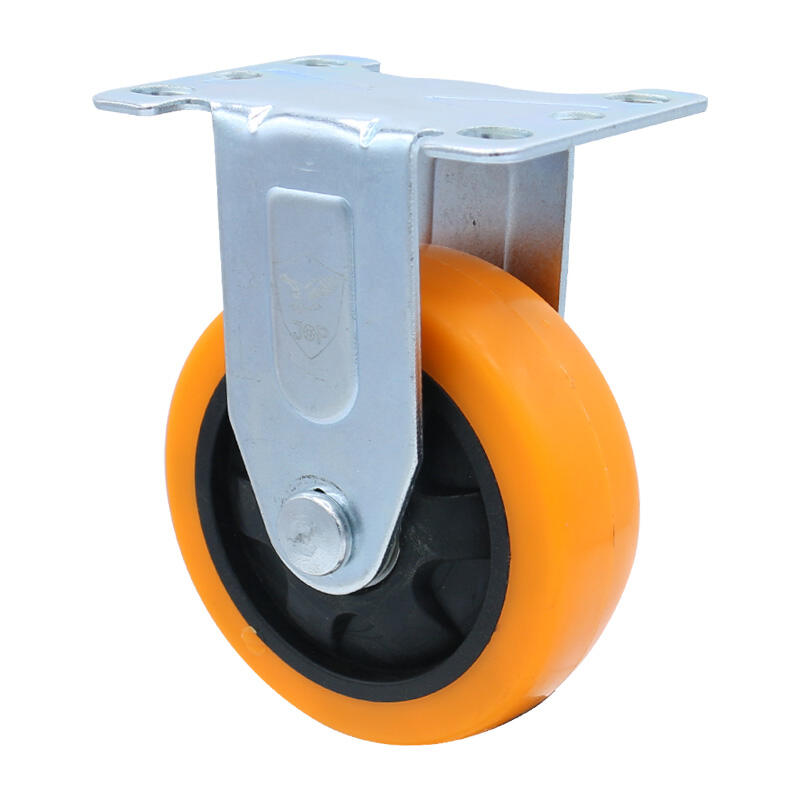
Manufacturing environments demand reliable mobility solutions that can withstand extreme loads while maintaining operational efficiency. Heavy-duty equipment, machinery, and materials handling systems require robust support mechanisms that ensure seamless movement across factory floors. Industrial caster wheels have emerged as critical components in modern manufacturing operations, providing the foundation for safe and efficient material transport in demanding industrial environments.

The increasing complexity of manufacturing processes has elevated the importance of selecting appropriate mobility solutions for heavy-duty applications. From automotive assembly lines to steel processing facilities, the right caster wheel configuration can significantly impact productivity, safety, and operational costs. Understanding the technical specifications and performance characteristics of these components enables manufacturers to optimize their material handling systems effectively.
Engineering Fundamentals of Heavy-Duty Mobility Solutions
Load Distribution Mechanisms
The fundamental principle behind effective load distribution lies in the engineering design of the wheel structure and mounting system. Heavy-duty applications require precise calculation of weight distribution across multiple contact points to prevent premature wear and ensure stability during movement. The wheel diameter, tread width, and bearing configuration work together to create an optimal load-bearing platform that can handle extreme weights without compromising mobility.
Manufacturing engineers must consider the dynamic forces generated during acceleration, deceleration, and directional changes when selecting appropriate mobility solutions. The material composition of the wheel, typically polyurethane or specialized rubber compounds, plays a crucial role in absorbing shock loads and maintaining floor protection. Advanced bearing systems, including precision ball bearings and tapered roller bearings, ensure smooth rotation under high-stress conditions.
Material Science and Durability
The selection of wheel materials directly impacts the longevity and performance of mobility systems in industrial environments. Polyurethane wheels offer superior resistance to chemicals, oils, and temperature variations commonly found in manufacturing facilities. The Shore hardness rating determines the wheel's ability to maintain shape under load while providing appropriate floor contact characteristics.
Steel cores and reinforced mounting plates provide the structural integrity necessary for heavy-duty applications. The manufacturing process of these components involves precision machining and heat treatment to achieve optimal strength-to-weight ratios. Quality control measures ensure consistent performance across production batches, reducing the risk of unexpected failures in critical manufacturing operations.
Application-Specific Performance Requirements
Manufacturing Environment Considerations
Different manufacturing environments present unique challenges that influence the selection criteria for mobility solutions. Chemical processing facilities require wheels with exceptional resistance to corrosive substances, while food processing operations demand materials that meet stringent hygiene standards. Temperature extremes in foundries and metalworking operations necessitate wheels capable of maintaining performance characteristics across wide thermal ranges.
Floor surface conditions significantly impact wheel selection decisions. Smooth concrete floors allow for harder wheel compounds that maximize load capacity, while textured or uneven surfaces may require softer materials to maintain adequate traction. The presence of debris, metal shavings, or chemical residues requires specialized tread patterns and protective features to prevent damage and maintain operational reliability.
Load Capacity Calculations
Accurate load capacity determination involves complex calculations that account for static and dynamic loading conditions. Safety factors typically range from 25% to 100% above the maximum expected load, depending on the criticality of the application and environmental conditions. Multiple wheel configurations distribute loads more effectively than single-point mounting systems, reducing stress concentrations and extending service life.
Dynamic loading considerations include the effects of acceleration forces, impact loads from material handling operations, and potential overload conditions during equipment malfunction scenarios. Professional engineers utilize finite element analysis and stress modeling to optimize wheel placement and mounting configurations for specific applications. This analytical approach ensures reliable performance throughout the expected service life of the mobility system.
Integration with Manufacturing Systems
Equipment Compatibility
Successful integration of mobility solutions requires careful consideration of existing equipment interfaces and mounting systems. Standard mounting patterns and bolt configurations facilitate retrofitting of upgraded wheels without extensive modifications to existing equipment. The height adjustment capabilities of certain wheel assemblies allow for fine-tuning of equipment positioning and alignment with production line requirements.
Swivel mechanisms enable enhanced maneuverability in confined spaces while maintaining load capacity ratings. The selection between rigid and swivel configurations depends on the specific movement patterns required in the manufacturing process. Industrial caster wheels with locking mechanisms provide additional safety features for securing equipment during maintenance or precision operations.
Maintenance and Service Requirements
Preventive maintenance programs significantly extend the service life of mobility systems while reducing unexpected downtime costs. Regular inspection schedules should include visual examination of wheel surfaces, bearing lubrication status, and mounting hardware integrity. Proper lubrication intervals and specified lubricant types ensure optimal bearing performance under heavy-load conditions.
Replacement part availability and standardization across multiple equipment types reduces inventory costs and simplifies maintenance procedures. Modular design approaches allow for individual component replacement without complete system overhaul, minimizing production interruptions. Documentation of performance history and failure modes provides valuable data for optimizing replacement schedules and improving future equipment selections.
Performance Optimization Strategies
Installation Best Practices
Proper installation techniques are essential for achieving optimal performance from mobility systems. Mounting surface preparation includes ensuring flatness, cleanliness, and appropriate fastener specifications. Torque specifications for mounting bolts must be followed precisely to prevent stress concentrations that could lead to premature failure of mounting components.
Alignment verification during installation prevents uneven wear patterns and reduces rolling resistance. The use of precision measuring tools ensures accurate positioning of multiple wheel assemblies, maintaining parallel alignment that is critical for smooth operation. Initial break-in procedures may be required for certain wheel materials to achieve optimal performance characteristics.
Operational Efficiency Enhancements
Operational efficiency improvements result from careful attention to wheel selection criteria and maintenance practices. Rolling resistance coefficients vary significantly between different wheel materials and designs, directly impacting the energy required for movement. Lower rolling resistance reduces wear on drive systems and decreases operational costs over the equipment lifecycle.
Noise reduction considerations become important in manufacturing environments where worker comfort and communication are priorities. Specialized wheel compounds and tread designs minimize noise generation while maintaining load capacity and durability requirements. The balance between performance characteristics requires careful evaluation of operational priorities and environmental constraints.
Future Developments and Technology Trends
Advanced Material Technologies
Emerging material technologies promise enhanced performance characteristics for next-generation mobility solutions. Nanotechnology applications in wheel compounds provide improved wear resistance and chemical compatibility while maintaining cost-effectiveness. Advanced polymer formulations offer superior temperature stability and load capacity compared to traditional materials.
Smart material integration enables self-monitoring capabilities that provide real-time feedback on wheel condition and performance metrics. Embedded sensors can detect excessive wear, bearing temperature increases, or load imbalances that indicate potential failure conditions. This predictive maintenance capability reduces unexpected downtime and optimizes replacement scheduling.
Automation Integration
The evolution toward automated manufacturing systems requires mobility solutions that integrate seamlessly with robotic and autonomous equipment. Precision positioning requirements and repeatability specifications drive the development of enhanced bearing systems and mounting configurations. Communication interfaces between mobility systems and control systems enable coordinated movement patterns and optimized path planning.
Standardization efforts across the industry facilitate interchangeability between different manufacturer's products while maintaining performance consistency. Common communication protocols and interface specifications reduce integration complexity and enable more flexible system designs. These developments support the broader trend toward modular manufacturing systems that can adapt quickly to changing production requirements.
FAQ
What load capacity should I consider for heavy manufacturing equipment?
Load capacity selection should include a safety factor of 25-100% above the maximum expected load, depending on application criticality. Consider both static weight and dynamic forces from acceleration, impact loads, and potential overload conditions. Consult with engineering professionals to perform proper load calculations for your specific application requirements.
How do environmental conditions affect wheel material selection?
Environmental factors such as temperature extremes, chemical exposure, and floor surface conditions significantly influence material choice. Polyurethane wheels offer excellent chemical resistance and temperature stability, while specialized compounds may be required for extreme conditions. Consider hygiene requirements, debris presence, and cleaning procedures when selecting appropriate materials.
What maintenance practices extend the service life of mobility systems?
Regular inspection schedules, proper bearing lubrication, and preventive replacement of wear components significantly extend service life. Monitor wheel surfaces for excessive wear, check mounting hardware integrity, and maintain proper alignment. Document performance history to optimize maintenance intervals and identify potential improvement opportunities.
How do I determine the optimal wheel configuration for my application?
Wheel configuration selection depends on load requirements, maneuverability needs, and environmental conditions. Consider the balance between rigid and swivel wheels based on movement patterns, evaluate mounting compatibility with existing equipment, and assess floor surface conditions. Professional consultation ensures optimal configuration for specific operational requirements.