
 EN
EN
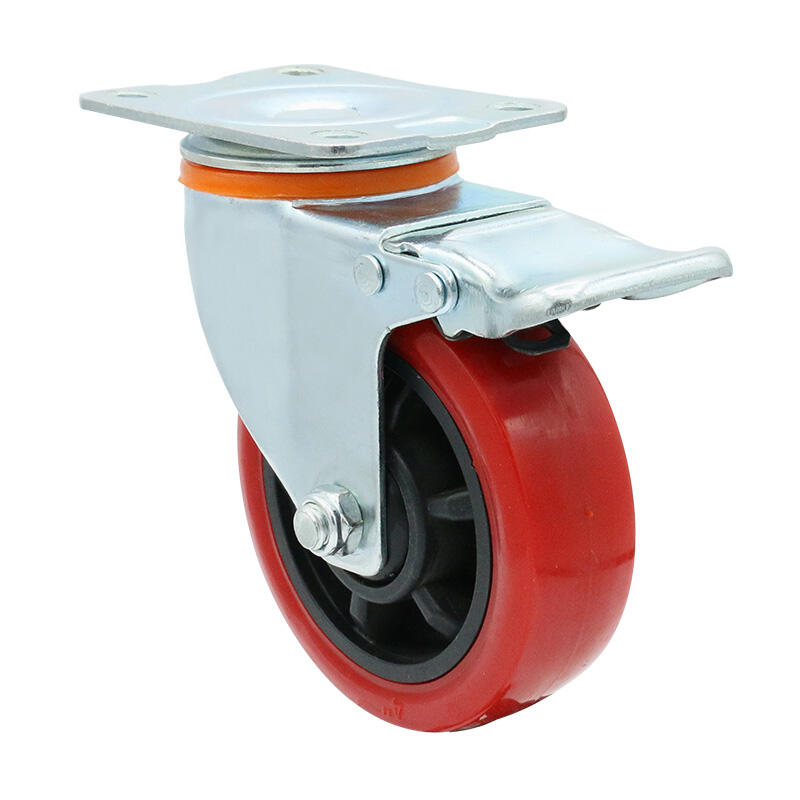
Modern industrial environments face constant challenges with noise pollution, equipment vibrations, and operational disruptions that affect both productivity and worker safety. Industrial caster wheels have emerged as a critical solution for reducing machinery noise while maintaining operational efficiency across manufacturing facilities, warehouses, and distribution centers. These specialized mobility components incorporate advanced engineering principles to minimize sound transmission, absorb vibrations, and create quieter working environments without compromising load-bearing capacity or maneuverability.
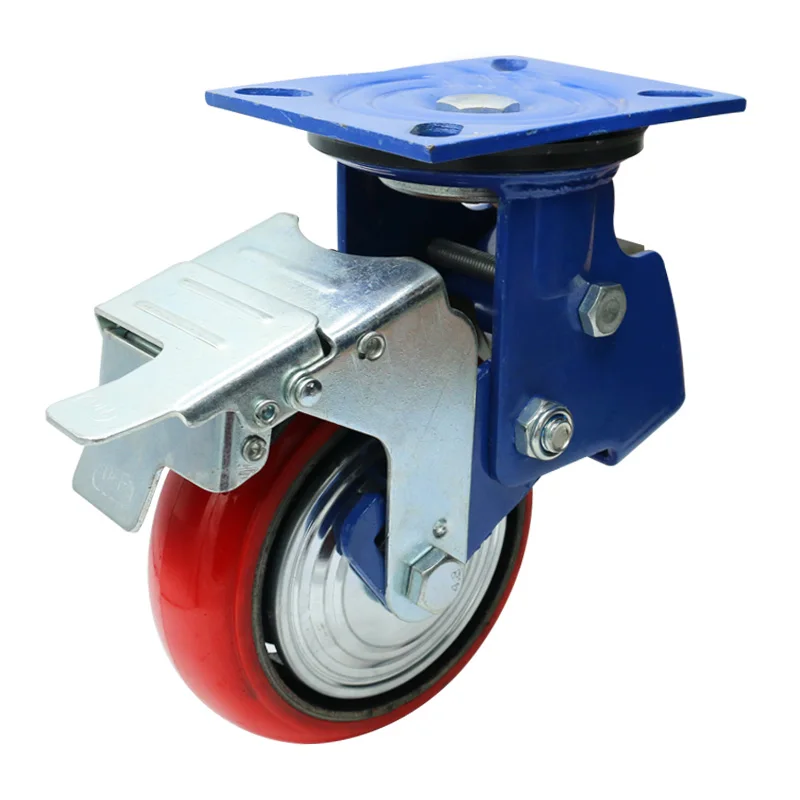
The relationship between machinery mobility and noise generation involves complex interactions between wheel materials, bearing systems, and contact surfaces. Traditional metal wheels on hard surfaces create significant sound levels that can exceed workplace safety standards, leading to hearing damage risks and reduced communication effectiveness. Advanced industrial caster wheels address these concerns through innovative design approaches that target multiple noise generation sources simultaneously, creating comprehensive solutions for modern industrial applications.
Understanding Noise Generation in Industrial Equipment
Primary Sources of Machinery Noise
Machinery noise originates from various mechanical interactions, with wheel-to-floor contact representing one of the most significant contributors to overall sound levels. Impact noise occurs when rigid materials collide during equipment movement, creating sharp acoustic spikes that propagate throughout industrial spaces. Rolling friction generates continuous background noise as wheels traverse different surface textures and materials, while mechanical vibrations from internal components transmit through mounting systems to create additional sound amplification.
Equipment operators and maintenance personnel experience cumulative exposure to these noise sources throughout their work shifts, leading to potential hearing damage and communication difficulties. The combination of multiple machines operating simultaneously creates complex acoustic environments where noise levels can compound exponentially, exceeding recommended exposure limits established by occupational safety organizations.
Impact of Noise on Industrial Operations
Excessive noise levels in manufacturing facilities create cascading effects that extend beyond immediate hearing concerns. Worker concentration decreases significantly in high-noise environments, leading to reduced productivity and increased error rates in precision tasks. Communication between team members becomes challenging when background noise levels exceed conversational thresholds, potentially compromising safety protocols and emergency response procedures.
Long-term exposure to industrial noise contributes to employee fatigue, stress-related health issues, and increased absenteeism rates. Companies face potential regulatory compliance issues when workplace noise exceeds established limits, resulting in costly retrofitting requirements and potential operational disruptions during remediation efforts.
Engineering Solutions for Noise Reduction
Material Science Innovations
Advanced industrial caster wheels incorporate specialized elastomeric compounds designed to absorb impact energy and minimize sound transmission. These materials combine durability requirements with acoustic dampening properties, creating wheels that maintain structural integrity under heavy loads while significantly reducing noise generation. Polyurethane formulations offer excellent wear resistance and chemical compatibility while providing superior noise reduction compared to traditional rubber alternatives.
Multi-layer wheel construction integrates different materials to optimize both performance and acoustic characteristics. Hard core materials provide structural support and load distribution, while softer outer layers absorb impact forces and reduce contact noise. This hybrid approach ensures that industrial caster wheels deliver exceptional noise reduction without compromising operational requirements.
Bearing System Optimization
Precision bearing systems play crucial roles in noise reduction by eliminating mechanical play and reducing internal friction during wheel rotation. Sealed ball bearing assemblies prevent contamination while maintaining smooth operation that minimizes rolling noise generation. Advanced lubrication systems ensure consistent performance over extended operational periods, preventing the squeaking and grinding sounds associated with inadequate maintenance.
Bearing housing design influences overall noise characteristics by controlling vibration transmission from rotating components to mounting hardware. Engineered clearances and dampening materials within bearing assemblies reduce mechanical noise while maintaining precise wheel alignment and rotational accuracy essential for smooth equipment operation.
Specialized Dampening Technologies
Spring-Loaded Shock Absorption
Spring-loaded dampening systems integrate mechanical shock absorbers directly into caster wheel assemblies, providing active vibration control that significantly reduces noise transmission. These systems compress during impact events, absorbing kinetic energy that would otherwise create acoustic disturbances through floor contact or structural vibration. The controlled energy dissipation prevents sharp noise spikes while maintaining consistent wheel contact with operating surfaces.
Variable spring rates allow optimization for different load conditions and operating environments, ensuring effective dampening across wide weight ranges. Heavy-duty applications benefit from progressive spring systems that provide increased resistance under maximum loads while maintaining sensitivity to minor vibrations and impacts that contribute to background noise levels.
Pneumatic Cushioning Systems
Air-filled wheel designs offer exceptional noise reduction through pneumatic cushioning that absorbs both impact and rolling vibrations. These systems distribute load forces over larger contact areas, reducing pressure concentrations that create noise during equipment movement. The compressible air medium provides natural dampening characteristics that adapt automatically to different surface conditions and load variations.
Maintenance requirements for pneumatic systems include periodic pressure monitoring and puncture prevention measures, but the noise reduction benefits often justify these additional considerations in sound-sensitive environments. Modern pneumatic industrial caster wheels incorporate puncture-resistant materials and self-sealing technologies that minimize maintenance while preserving acoustic performance.
Surface Interface Optimization
Tread Pattern Engineering
Specialized tread patterns reduce noise by controlling air displacement and surface contact dynamics during wheel rotation. Asymmetrical groove designs break up regular contact patterns that create tonal noise, while optimized tread depths provide cushioning effects without compromising traction or durability. These engineered surfaces maintain consistent contact pressure distribution, preventing the localized stress concentrations that generate impact noise.
Non-marking tread compounds ensure that noise reduction features do not compromise floor surface integrity or cleanliness requirements in sensitive manufacturing environments. Advanced polymer formulations provide excellent grip characteristics while maintaining the flexibility necessary for effective noise dampening across various floor materials and surface textures.
Contact Area Maximization
Wider wheel profiles distribute equipment weight over larger contact areas, reducing pressure per square inch and minimizing noise generation during movement. This approach prevents the concentrated loading that creates impact noise while improving overall equipment stability and maneuverability. Optimized contact geometry ensures that load distribution remains effective throughout the wheel's operational life, maintaining noise reduction benefits over extended service periods.
Surface compliance characteristics allow wheels to conform to minor floor irregularities without generating impact noise, creating smoother operation that reduces both audible disturbances and equipment stress. These design features prove particularly valuable in environments where floor conditions vary or where equipment must traverse multiple surface types during normal operations.
Application-Specific Solutions
Healthcare Facility Requirements
Medical equipment mobility demands exceptional noise control to maintain healing environments and enable critical communication during patient care procedures. Industrial caster wheels designed for healthcare applications incorporate ultra-quiet operation features that prevent disruption of patient rest and medical procedures. Specialized materials and construction techniques ensure that equipment movement generates minimal acoustic disturbance while meeting strict hygiene and chemical resistance requirements.
Sterilization compatibility requires materials that withstand repeated cleaning cycles without degrading noise reduction properties. Advanced elastomeric compounds maintain their acoustic characteristics through extensive exposure to cleaning chemicals and sterilization processes, ensuring consistent quiet operation throughout the equipment's service life.
Food Processing Environments
Food manufacturing facilities require industrial caster wheels that combine noise reduction with sanitary design principles and chemical resistance capabilities. Smooth surfaces prevent bacterial accumulation while specialized compounds resist cleaning chemicals and temperature extremes common in food processing operations. The integration of noise reduction features with food-safe materials ensures that equipment operates quietly without compromising product safety or regulatory compliance.
Washdown environments demand sealed bearing systems that prevent water ingress while maintaining quiet operation characteristics. Advanced sealing technologies protect internal components from moisture and cleaning solutions while preserving the precision necessary for noise-free equipment movement during production and cleaning cycles.
Installation and Maintenance Considerations
Proper Mounting Techniques
Correct installation procedures maximize noise reduction benefits by ensuring optimal wheel alignment and preventing mechanical stress that can create operational noise. Proper torque specifications prevent bearing damage while ensuring secure mounting that eliminates play-related noise sources. Alignment checks during installation verify that wheels track correctly without binding or scrubbing that generates friction noise.
Mounting hardware selection influences overall noise characteristics by controlling vibration transmission between wheels and equipment structures. Dampening washers and isolating materials prevent mechanical noise transmission while maintaining secure connections essential for safe equipment operation.
Preventive Maintenance Programs
Regular maintenance schedules preserve noise reduction capabilities by addressing wear factors before they compromise acoustic performance. Lubrication programs maintain bearing smoothness and prevent the development of friction-related noise sources. Visual inspections identify early wear indicators that could lead to increased noise levels if left unaddressed.
Replacement timing based on noise level monitoring ensures that industrial caster wheels continue providing optimal acoustic performance throughout their service life. Proactive replacement programs prevent the gradual noise increase associated with normal wear, maintaining consistent quiet operation essential for sound-sensitive environments.
FAQ
What makes industrial caster wheels effective at reducing machinery noise
Industrial caster wheels reduce machinery noise through specialized materials that absorb impact energy, advanced bearing systems that minimize rolling friction, and engineered tread patterns that control surface contact dynamics. These wheels incorporate dampening technologies such as spring-loaded shock absorption and pneumatic cushioning that prevent noise transmission while maintaining load-bearing capacity and operational durability.
How do spring-loaded dampening systems work in heavy-duty applications
Spring-loaded dampening systems compress during impact events to absorb kinetic energy that would otherwise create noise through floor contact or structural vibration. Progressive spring rates provide increased resistance under heavy loads while maintaining sensitivity to minor vibrations, ensuring effective noise control across wide weight ranges without compromising equipment stability or maneuverability.
Can noise-reducing caster wheels maintain performance in harsh industrial environments
Modern noise-reducing industrial caster wheels incorporate chemical-resistant materials and sealed bearing systems designed to withstand harsh industrial conditions while preserving acoustic performance. Advanced polymer compounds resist temperature extremes, cleaning chemicals, and mechanical stress, ensuring that noise reduction capabilities remain effective throughout extended service periods in demanding manufacturing environments.
What maintenance is required to preserve noise reduction benefits
Preserving noise reduction benefits requires regular lubrication of bearing systems, periodic alignment checks, and proactive replacement based on wear indicators rather than complete failure. Visual inspections identify early signs of tread wear or bearing deterioration that could compromise acoustic performance, while proper cleaning removes debris that might interfere with dampening mechanisms or create additional noise sources during operation.