Heavy-Duty Rigid Caster Wheels: Superior Stability and Load-Bearing Performance

All Categories

caster wheel rigid

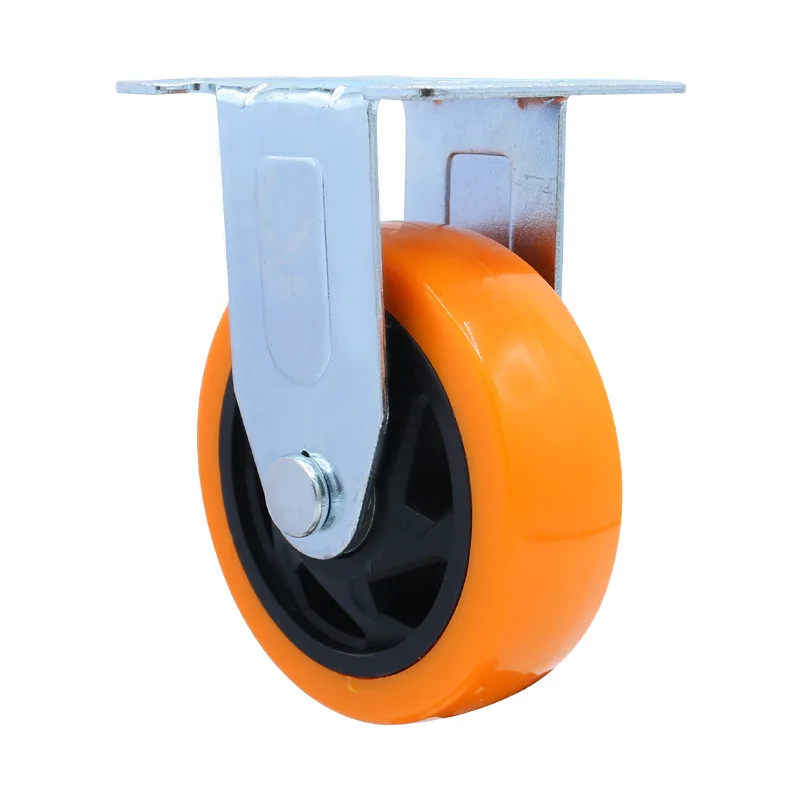
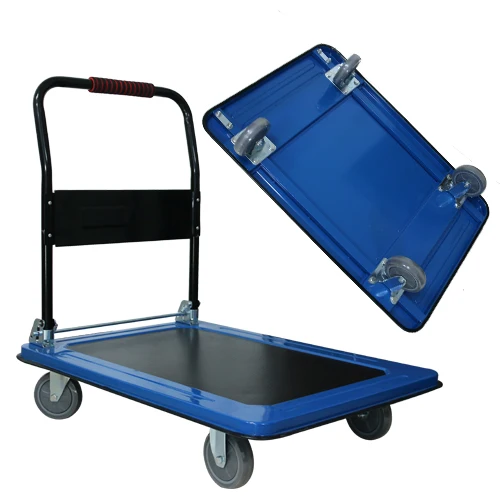
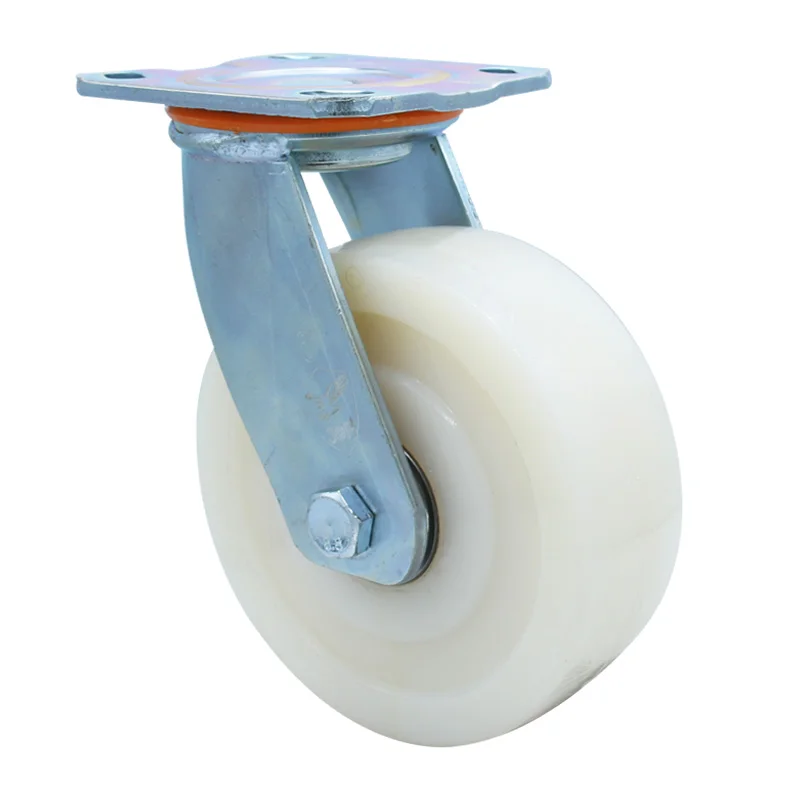
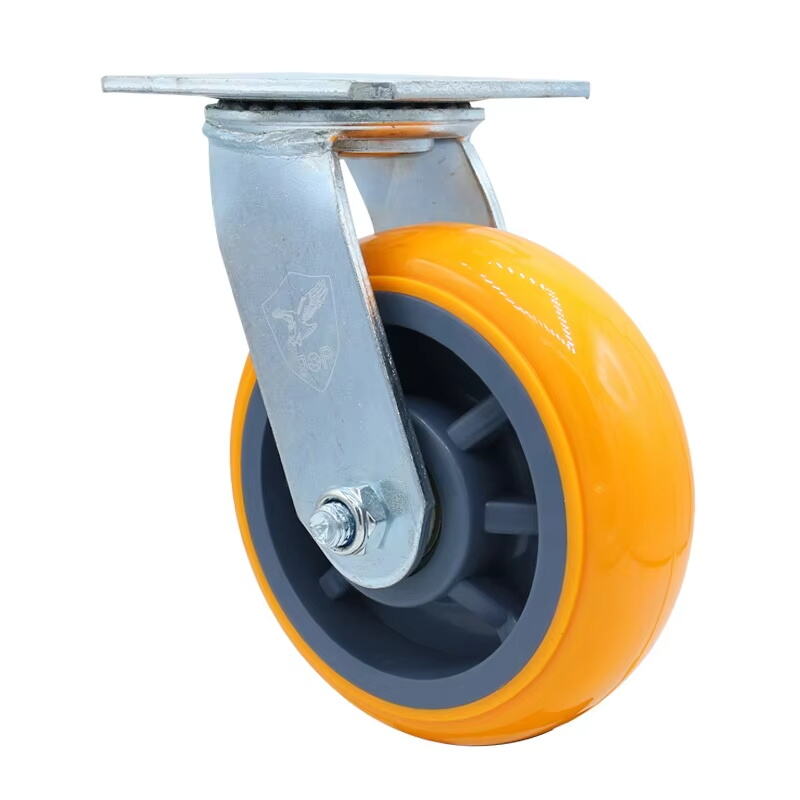
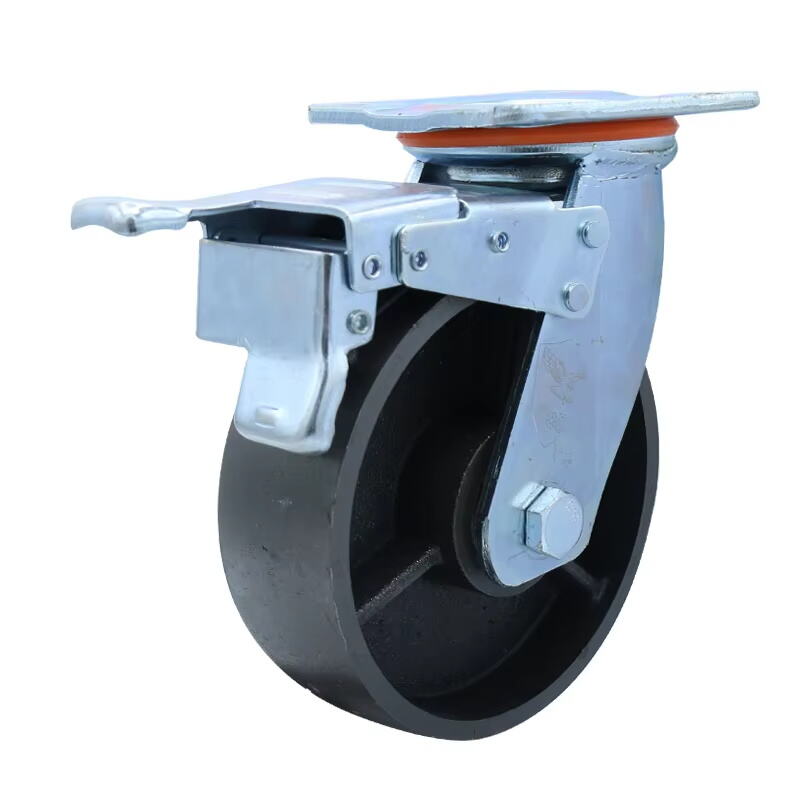
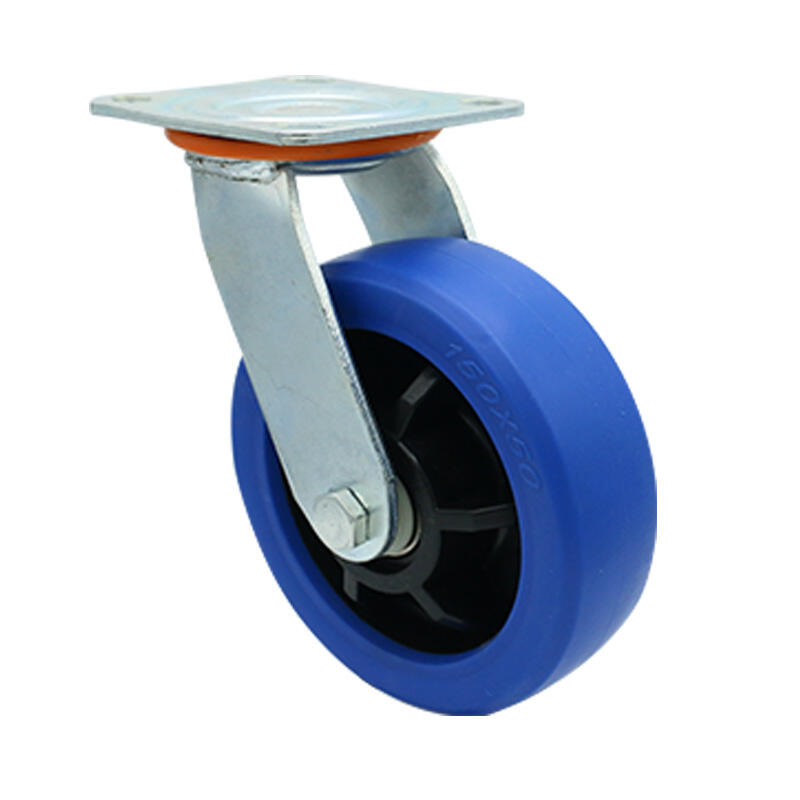
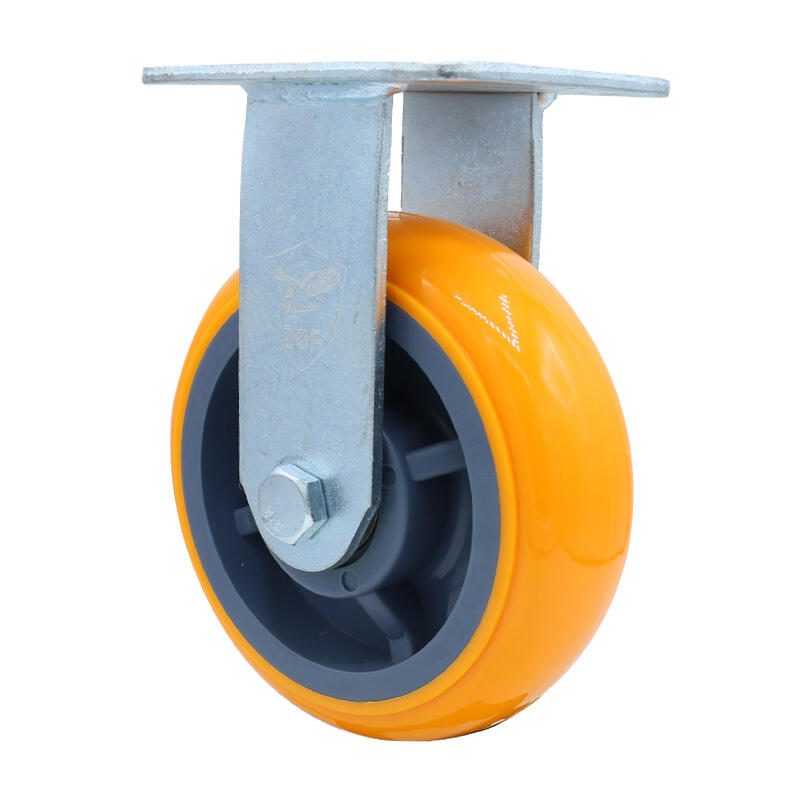
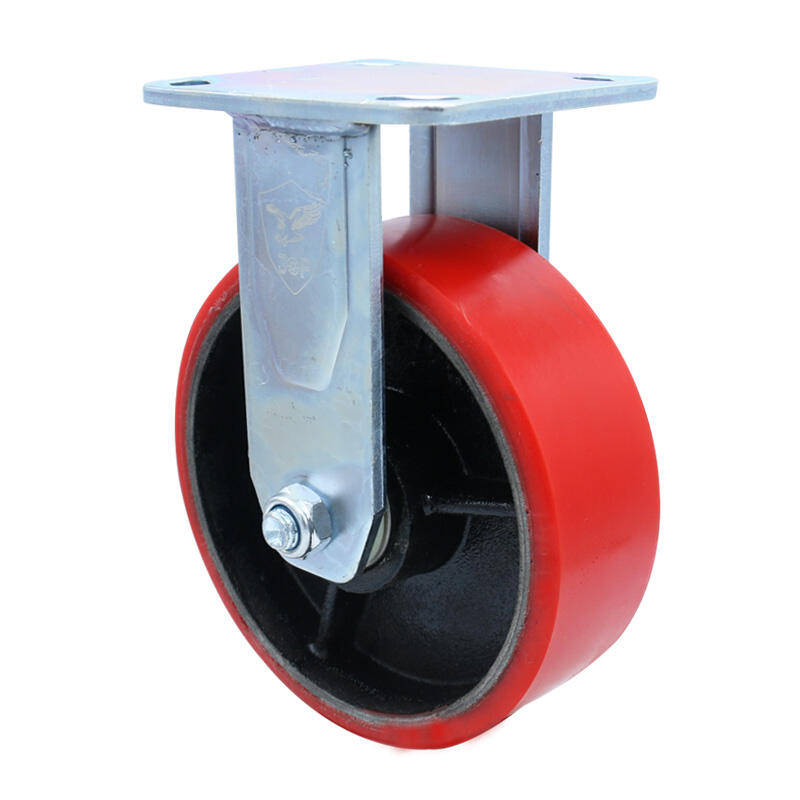
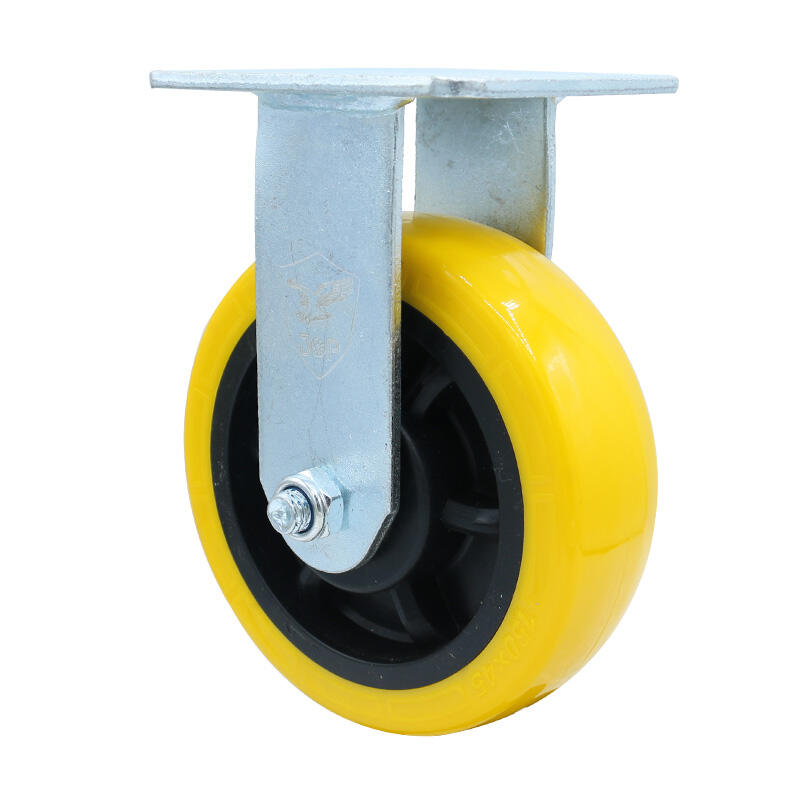
A caster wheel rigid is a fundamental component in material handling and mobility solutions, characterized by its fixed, non-swiveling design that provides directional stability and enhanced load-bearing capacity. Unlike swivel casters, rigid casters maintain a fixed position relative to their mounting plate, making them ideal for applications requiring straight-line movement and precise directional control. These casters typically consist of a solid wheel mounted within a robust fork-style bracket, engineered to withstand substantial weights while maintaining optimal performance. The construction usually incorporates high-grade materials such as steel, polyurethane, or nylon, depending on the specific application requirements. Rigid casters are essential in various industrial settings, particularly in equipment that needs to follow predetermined paths or maintain consistent directional movement. Their design promotes reduced rolling resistance compared to swivel casters, making them more energy-efficient for long-distance transport. The simplified mechanical structure also results in lower maintenance requirements and enhanced durability. These casters are commonly found in heavy industrial equipment, assembly line carts, material handling dollies, and specialized transport equipment where controlled, linear movement is crucial.


New Products

The caster wheel rigid offers several significant advantages that make it an invaluable choice for specific material handling applications. First, its fixed orientation provides superior directional stability, reducing the effort required to maintain straight-line movement and preventing unwanted deviation from intended paths. This characteristic is particularly beneficial in applications where precise tracking is essential. The simplified mechanical design, without swivel mechanisms, results in higher load-bearing capacity compared to similar-sized swivel casters. This increased strength-to-size ratio makes rigid casters an excellent choice for heavy-duty applications. The absence of swivel components also means fewer parts that could potentially fail or require maintenance, leading to improved reliability and reduced maintenance costs over time. Another key advantage is the lower rolling resistance, which translates to reduced operator fatigue and improved energy efficiency in powered applications. The fixed orientation also contributes to better floor protection, as the wheels follow a consistent path without the scuffing often associated with swiveling casters. From an economic perspective, rigid casters typically offer a longer service life due to their simpler construction and fewer wear points. Their design also allows for easier wheel replacement when necessary, minimizing equipment downtime. The consistent rolling direction makes them ideal for applications requiring controlled movement, such as assembly line processes or guided material transport systems.

Tips And Tricks

Top Advantages of Using Swivel Caster Wheels in Industrial Settings

10

Jul

Top Advantages of Using Swivel Caster Wheels in Industrial Settings

Enhanced Maneuverability in Confined Spaces 360-Degree Rotation Capabilities The 360 degree rotation of swivel caster wheels gives them superior maneuverability, something that makes all the difference when working in tight spots. Think about hospi...
View More
Choosing the Best Trolley Caster Wheel for Your Application

10

Jul

Choosing the Best Trolley Caster Wheel for Your Application

Understanding Trolley Caster Wheel Load Requirements Calculating Weight Distribution and Capacity Picking out trolley caster wheels means getting a handle on how weight gets distributed across them for good performance and safety reasons. To figure...
View More
Where Are Heavy-Duty Caster Wheels Most Commonly Used?

05

Aug

Where Are Heavy-Duty Caster Wheels Most Commonly Used?

The Versatile Strength Behind Industrial Mobility In industrial mobility and equipment design, caster wheels serve a foundational purpose. These compact components might seem simple, but they perform complex tasks that directly influence productivity...
View More
How Do PVC Caster Wheels Compare to Rubber Wheels?

24

Sep

How Do PVC Caster Wheels Compare to Rubber Wheels?

Understanding the Key Differences Between PVC and Rubber Caster Wheel Materials In the world of mobility solutions, the choice between PVC caster wheels and rubber wheels can significantly impact the performance and longevity of your equipment. These...
View More

Get a Free Quote

Our representative will contact you soon.
Email
Name
Company Name
Message
0/1000

caster wheel rigid

Superior Load Bearing Capacity

Superior Load Bearing Capacity

The rigid caster wheel's exceptional load-bearing capacity stands as one of its most distinctive features. This capability stems from its straightforward, robust design that eliminates complex swivel mechanisms, allowing for direct force transmission from the mounting plate to the wheel. The structural integrity is further enhanced by the use of heavy-duty materials and precision engineering in the bracket design. Most rigid casters can support significantly higher weights compared to their swivel counterparts of the same size, making them ideal for heavy industrial applications. This increased capacity doesn't come at the expense of mobility, as the fixed orientation actually contributes to smoother movement under heavy loads. The design also incorporates reinforced mounting plates and optimized load distribution patterns, ensuring consistent performance even under maximum rated capacities.
Enhanced Directional Stability

Enhanced Directional Stability

Directional stability is a crucial advantage of rigid caster wheels, particularly in applications requiring precise movement control. The fixed orientation ensures that the wheel maintains its intended direction without the potential wandering associated with swivel casters. This stability is especially valuable in automated systems or applications where consistent tracking is essential. The design eliminates the need for constant course corrections, reducing operator fatigue and improving overall efficiency. In manual operations, this translates to reduced push/pull force requirements and more predictable handling characteristics. The stable directional control also makes rigid casters ideal for use in confined spaces or narrow aisles where precise maneuvering is critical.
Reduced Maintenance Requirements

Reduced Maintenance Requirements

The simplified mechanical design of rigid caster wheels translates directly into reduced maintenance requirements and enhanced reliability. Without swivel bearings or kingpin assemblies, there are fewer components subject to wear and potential failure. This simplification results in extended service intervals and lower lifetime maintenance costs. The robust construction typically incorporates sealed precision bearings that require minimal lubrication and provide consistent performance over extended periods. The straightforward design also makes any necessary maintenance procedures simpler and faster to execute, minimizing equipment downtime. Additionally, the absence of complex components means fewer spare parts need to be kept in inventory, simplifying maintenance planning and reducing storage requirements.

Get a Free Quote

Our representative will contact you soon.
Email
Name
Company Name
Message
0/1000

Get a Free Quote

Our representative will contact you soon.
Email
Name
Company Name
Message
0/1000