
 EN
EN
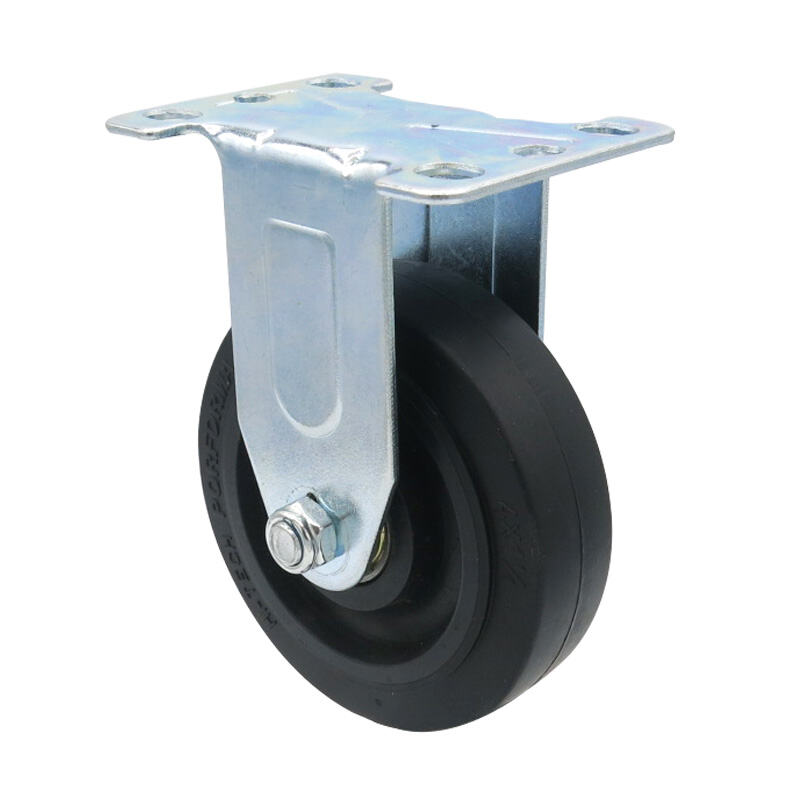
သင့်စက်ပစ္စည်းအတွက် သင့်လျော်သော စက်မှုလုပ်ငန်းအသုံးပြု ဘီးလုံးကို ရွေးချယ်ခြင်းသည် လုပ်ငန်းဆောင်တာ ထိရောက်မှု၊ ဘေးကင်းလုံခြုံမှုနှင့် စက်ပစ္စည်း၏ သက်တမ်းကို တိုက်ရိုက်သက်ရောက်မှုရှိသော ဆုံးဖြတ်ချက်ဖြစ်ပါသည်။ ထုတ်လုပ်ရေးစက်ကိရိယာများ၊ ဂိုဒေါင်ကားများ သို့မဟုတ် ပြင်းထန်သော အသုံးပြုမှု စက်ကိရိယာများကို တပ်ဆင်နေစဉ်တွင် မှန်ကန်သော စက်မှုလုပ်ငန်းအသုံးပြု ဘီးလုံးသည် အဆင်ပြေသော လုပ်ငန်းဆောင်တာများနှင့် ငွေကြေးဆုံးရှုံးမှုရှိသော အလုပ်မလုပ်နိုင်သည့် အချိန်ကာလအကြား ကွာခြားမှုကို ဖြစ်ပေါ်စေနိုင်ပါသည်။ ဤရွေးချယ်မှုလုပ်ငန်းစဉ်တွင် ပါဝင်သော အဓိကအချက်များကို နားလည်ခြင်းဖြင့် စွမ်းဆောင်ရည်ကို အကောင်းဆုံးဖြစ်အောင် ပြုလုပ်ပေးပြီး သင့်ရဲ့ ရွေ့လျားမှုဖြေရှင်းချက်များတွင် ရင်းနှီးမြှုပ်နှံမှုကို အများဆုံးအကျိုးသက်ရောက်စေပါသည်။
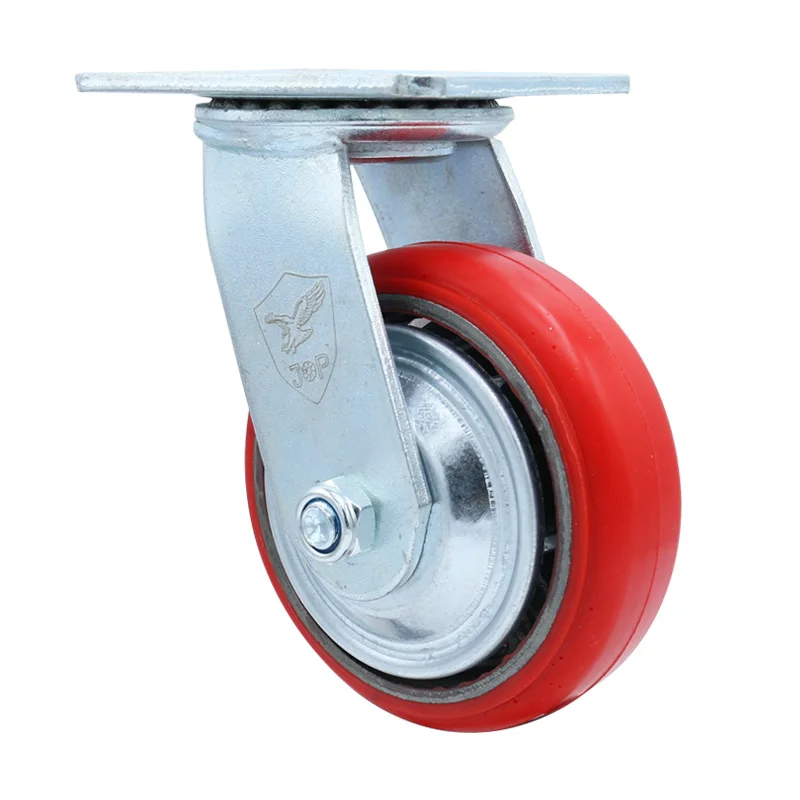
စီမံကိန်းအသုံးပြုမှုပတ်ဝန်းကျင်များတွင် စံချိန်စံညွှန်းကားတာများဖြင့် လုံးဝမကိုင်တွယ်နိုင်သည့် ထူးခြားသောစိန်ခေါ်မှုများရှိပါသည်။ အလေးချိန်များခြင်း၊ အကြိမ်ကြိမ်ရွှေ့ပြောင်းခြင်း၊ ပြင်းထန်သောအခြေအနေများနှင့် တိကျမှုလိုအပ်ချက်များကို ကိုင်တွယ်ရန် အထူးဖြေရှင်းချက်များလိုအပ်ပါသည်။ စက်မှုလုပ်ငန်း caster ဘီးသည် ယုံကြည်စိတ်ချရမှုနှင့် စွမ်းဆောင်ရည်ကို ထိန်းသိမ်းထားစဉ် ဤကဲ့သို့သော စိန်ခေါ်မှုများကို ခံနိုင်ရည်ရှိရပါမည်။ ရွေးချယ်မှုလုပ်ငန်းစဉ်တွင် လက်ရှိလိုအပ်ချက်များနှင့် အနာဂတ်လိုအပ်ချက်များကို ဖြည့်ဆည်းပေးမည့် နည်းပညာဆိုင်ရာ အသေးစိတ်အချက်အလက်များ၊ ပတ်ဝန်းကျင်ဆိုင်ရာ အချက်များနှင့် လည်ပတ်မှုလိုအပ်ချက်များကို အကဲဖြတ်ရန် လိုအပ်ပါသည်။
အလေးချိန်သယ်ဆောင်နိုင်စွမ်းနှင့် အလေးချိန်ဖြန့်ဝေမှုဆိုင်ရာ ထည့်သွင်းစဉ်းစားမှုများ
လော့ဒ် လိုအပ်ချက်များကို သိရှိခြင်း
စက်မှုလုပ်ငန်းအသုံးပြုရန် ဘီးများကို ရွေးချယ်ခြင်း၏ အခြေခံသည် စုစုပေါင်းဝန်အား လိုအပ်ချက်များကို တိကျစွာ ဆုံးဖြတ်ခြင်းဖြင့် စတင်ပါသည်။ ဤတွက်ချက်မှုတွင် ပစ္စည်းကိရိယာ၏ အနားယူဝန်အားသာမက လည်ပတ်စဉ်ကာလအတွင်း ဖြစ်ပေါ်သော စက်ပိုင်းဆိုင်ရာ ဝန်အားများကိုပါ ထည့်သွင်းစဉ်းစားရပါမည်။ စက်ကိရိယာများ စတင်ခြင်း၊ ရပ်တန့်ခြင်း သို့မဟုတ် ဦးတည်ရာပြောင်းလဲခြင်းများတွင် စက်ပိုင်းဆိုင်ရာ အားများသည် အနားယူဝန်အားထက် သိသိသာသာ ပိုများနိုင်ပါသည်။ စက်မှုလုပ်ငန်းအသုံးပြုရန် ဘီးများကို သတ်မှတ်သည့်အခါတွင် အစောပိုင်းပျက်စီးမှုကို ကာကွယ်ရန်နှင့် ဘေးကင်းစွာ လည်ပတ်နိုင်ရန်အတွက် ဤကွဲပြားချက်များကို အင်ဂျင်နီယာများက ထည့်သွင်းစဉ်းစားရပါမည်။
များစွာသော ဘီးလုံးများကို ဖြန့်ဝေထားခြင်းသည် ရွေးချယ်မှုတွင် အရေးပါသော အခန်းကဏ္ဍမှ ပါဝင်ပါသည်။ အလေးချိန် မညီမျှစွာ ဖြန့်ဝေမှုများသည် ဘီးလုံးအချို့ကို မကိုင်ထားသင့်သည့် ဝန်အား ကိုင်ထားစေပြီး ပျက်စီးမှုမြန်ဆန်စေကာ ပျက်ကွက်နိုင်ခြေကို ဖြစ်ပေါ်စေနိုင်ပါသည်။ ပစ္စည်းကိရိယာ၏ အလေးချိန်ဗဟိုနှင့် ဝန်အားဖြန့်ဝေမှုပုံစံများကို ကျွမ်းကျင်စွာ စိစစ်ခြင်းဖြင့် စက်မှုဘီးလုံးတစ်ခုချင်းစီ၏ စွမ်းဆောင်ရည်အဆင့်ကို ဆုံးဖြတ်နိုင်ပါသည်။ ဤသို့သော ဆန်းစစ်မှုသည် စွမ်းဆောင်ရည်ကို ဟန်ချက်ညီစေပြီး သယ်ဆောင်နိုင်မှုစနစ်တစ်ခုလုံး၏ အသုံးပြုနိုင်သော သက်တမ်းကို ရှည်လျားစေပါသည်။
ဘေးကင်းရေး အချက်များနှင့် လုံခြုံမှုအတွက် တွက်ချက်မှုများ
ဘီးလုံးများ၏ စွမ်းဆောင်ရည်အဆင့်ကို ရွေးချယ်ရာတွင် စံနှုန်းများအရ ဘေးကင်းရေး အချက်များကို ထည့်သွင်းစဉ်းစားသင့်ပါသည်။ ပုံမှန်အားဖြင့် ဘီးလုံးအားလုံး၏ စုစုပေါင်းဝန်အားသည် မျှော်လင့်ထားသည့် အများဆုံးဝန်အားထက် အနည်းဆုံး ၂၅ မှ ၅၀ ရာခိုင်နှုန်းအထိ ပိုမိုရှိသင့်ပါသည်။ ဤလုံခြုံမှုအဆင့်သည် မမျှော်လင့်ထားသော ဝန်အားများ၊ ပစ္စည်းကိရိယာများပြင်ဆင်မှုများနှင့် အသုံးပြုမှုကြောင့် ပျက်စီးမှုများကို ထည့်သွင်းစဉ်းစားပေးပါသည်။ အများဆုံးစွမ်းဆောင်ရည်အဆင့်တွင် အလုပ်လုပ်နေသော စက်မှုဘီးလုံးသည် ပျက်စီးမှုမြန်ဆန်ပြီး ပျက်ကွက်နိုင်ခြေ ပိုမိုများပါသည်။
ပတ်ဝန်းကျင်အခြေအနေများသည် ဝန်ထမ်းဆောင်ရွက်နိုင်စွမ်းကိုလည်း ထိခိုက်စေနိုင်ပါသည်။ အပူချိန်ပြင်းထန်မှု၊ ဓာတုပစ္စည်းများနှင့် တုန်ခါမှုများသည် စက်မှုလုပ်ငန်းအသုံးပြုသည့် caster wheel ၏ အကျိုးရှိသော စွမ်းဆောင်ရည်ကို လျော့နည်းစေနိုင်ပါသည်။ ဤကဲ့သို့သော ပတ်ဝန်းကျင်ဆိုင်ရာ အချက်များကို ဘေးကင်းရေးတွက်ချက်မှုများတွင် ထည့်သွင်းခြင်းဖြင့် ပစ္စည်း၏ လည်ပတ်သုံးစွဲမှုဘဝအတွင်း ယုံကြည်စိတ်ချရသော စွမ်းဆောင်ရည်ကို သေချာစေပါသည်။ ပုံမှန်စောင့်ကြည့်ခြင်းနှင့် ထိန်းသိမ်းမှုအစီအစဉ်များသည် ဤတွက်ချက်ထားသော စံသတ်မှတ်ချက်များအတွင်း အကောင်းဆုံးစွမ်းဆောင်ရည်ကို ထိန်းသိမ်းရာတွင် အထောက်အကူပြုပါသည်။
ပစ္စည်းရွေးချယ်မှုနှင့် ပတ်ဝန်းကျင်နှင့်ကိုက်ညီမှု
ဘီးပြုလုပ်သည့် ပစ္စည်း၏ ဂုဏ်သတ္တိများ
စက်မှုလုပ်ငန်းအသုံးပြုသည့် ဘီး၏ ပစ္စည်းသည် ၎င်း၏ ပတ်ဝန်းကျင်နှင့် အသုံးပြုမှုဆိုင်ရာ လိုအပ်ချက်များနှင့် ကိုက်ညီမှုရှိမရှိ ဆုံးဖြတ်ပေးပါသည်။ ပေါ်လီယူရီသိန်းဘီးများသည် ဝန်ထမ်းမှုစွမ်းရည်ကောင်းမွန်ပြီး ကြမ်းပြင်ကို ကာကွယ်ပေးကာ အသံတိတ်လည်ပတ်နိုင်စွမ်းရှိပါသည်။ သံမဏိဘီးများသည် အပူချိန်မြင့်မားသော အသုံးချမှုများတွင် ကောင်းမွန်စွာ အလုပ်လုပ်နိုင်ပြီး ခက်ခဲသည့် အခြေအနေများအတွက် အမာခံနိုင်ဆုံးဖြစ်ပါသည်။ ရာဘာဘီးများသည် မျက်နှာပြင်အမျိုးမျိုးပေါ်တွင် တုန်ခါမှုကို ကောင်းစွာစုပ်ယူနိုင်ပြီး လိုက်နာမှု (traction) ကောင်းမွန်ပါသည်။ ပစ္စည်းတစ်ခုချင်းစီတိုင်းတွင် ထင်ရှားသော အားသာချက်များနှင့် ကန့်သတ်ချက်များရှိပြီး လုပ်ငန်းဆောင်တာလိုအပ်ချက်များနှင့် ကိုက်ညီရန် လိုအပ်ပါသည်။
ဓာတုပစ္စည်းများ၊ ဆီများ၊ အက်စစ်များ သို့မဟုတ် အခြားပစ္စည်းများနှင့်ထိတွေ့ရသည့် စက်မှုလုပ်ငန်းများတွင် ဓာတုဒြပ်စင်တူညီမှုသည် အရေးကြီးသော အချက်ဖြစ်သည်။ မတူညီသောပစ္စည်းများဖြင့်ပြုလုပ်ထားသည့် စက်မှုလုပ်ငန်းအတွက် ဘီးတပ်ဘီးများသည် အလွယ်တကူပျက်စီးနိုင်ပြီး စွမ်းဆောင်ရည်နှင့် ဘေးကင်းလုံခြုံမှုကို ထိခိုက်စေနိုင်သည်။ ပစ္စည်းရွေးချယ်မှုဇယားများနှင့် ဓာတုဒြပ်စင်ခံနိုင်ရည်ရှိမှုအချက်အလက်များသည် ပတ်ဝန်းကျင်အခြေအနေအလိုက် သင့်လျော်သော ဘီးပြုလုပ်ပစ္စည်းများကို ဖော်ထုတ်ရာတွင် အထောက်အကူပြုပါသည်။ လက်တွေ့လည်ပတ်မှုအခြေအနေများအောက်တွင် စမ်းသပ်ခြင်းဖြင့် သီအိုရီအရ ခန့်မှန်းထားသော တူညီမှုရှိမှုကို အတည်ပြုနိုင်ပါသည်။
ပরিবেশအရာရှိမှုများ
အပူချိန်ပြင်းထန်မှုများတွင် စက်မှုလုပ်ငန်းဘီးတပ်ဘီးများကို အထူးပြုပစ္စည်းပုံစံများ လိုအပ်ပါသည်။ အပူချိန်မြင့်မားသော အသုံးပြုမှုများတွင် ပျော့ပျောင်းခြင်း သို့မဟုတ် ပျက်စီးခြင်းမရှိဘဲ ဖွဲ့စည်းတည်ဆောက်ပုံအား ထိန်းသိမ်းနိုင်သော ပစ္စည်းများကို လိုအပ်ပါသည်။ အအေးပိုင်းပတ်ဝန်းကျင်များတွင် ပစ္စည်းများသည် ပျော့ပျောင်းမှုနှင့် တိုက်ခတ်မှုခံနိုင်ရည်ကို ထိန်းသိမ်းရန် လိုအပ်ပါသည်။ ပုံမှန်ပစ္စည်းများသည် အအေးပိုင်းအခြေအနေများတွင် ကွဲအက်နိုင်ပြီး အပူချိန်မြင့်မားသောအခါတွင် ခိုင်မာမှုကို ဆုံးရှုံးနိုင်သောကြောင့် ပြင်းထန်သောပတ်ဝန်းကျင်အတွက် အထူးပြုပစ္စည်းပုံစံများသည် မရှိမဖြစ်လိုအပ်ပါသည်။
သံချေးတက်မှုကို ခံနိုင်ရည်ရှိခြင်းသည် စက်ပစ္စည်း၏ ယန္တရားဆိုင်ရာ အစိတ်အပိုင်းများကို ပတ်ဝန်းကျင်အခြေအနေများကြောင့် ပျက်စီးမှုမှ ကာကွယ်ပေးပါသည်။ လုပ်ကိုင်ရေး ဝါဟာန် ဘီးယူ ဟင်းခတ်အမွှေးအကြိုင်နှင့် ဓာတုပစ္စည်းများ ပါဝင်သော ပတ်ဝန်းကျင်များတွင် သံမဏိအစိတ်အပိုင်းများသည် သံချေးတက်ခြင်းနှင့် ပျက်စီးခြင်းမှ ခံနိုင်ရည်ရှိပါသည်။ ပုံမှန်ပတ်ဝန်းကျင်အတွက် ဇင့်ဖြင့် ပြုလုပ်ထားသော အလ пок်သည် သံချေးတက်မှုကို ကာကွယ်ရာတွင် စရိတ်သက်သာစွာဖြင့် ကာကွယ်မှုပေးပါသည်။ ပိတ်ထားသော bearing စနစ်များသည် ဖုန်များ သို့မဟုတ် ညစ်ပတ်သော အခြေအနေများတွင် ညစ်ညမ်းမှုကို ကာကွယ်ပေးကာ အသုံးပြုနိုင်သော သက်တမ်းကို ရှည်လျားစေပါသည်။
လှုပ်ရှားနိုင်မှုနှင့် လှည့်လည်နိုင်မှု လိုအပ်ချက်များ
Swivel နှင့် Rigid Configuration ကို နှိုင်းယှဉ်ခြင်း
Swivel နှင့် rigid caster configuration များကြား ရွေးချယ်မှုသည် စက်ကိရိယာ၏ လှည့်လည်နိုင်မှုနှင့် တည်ငြိမ်မှုကို သိသိသာသာ သက်ရောက်မှုရှိပါသည်။ Swivel casters များသည် ဘက်စုံလှည့်လည်နိုင်သော လှုပ်ရှားမှုစွမ်းရည်များကို ပေးဆောင်ပြီး ကွေ့ကောက်မှုများနှင့် တိကျသော နေရာချထားမှုကို ဖြစ်စေပါသည်။ သို့ရာတွင် ဝန်အလေးများ သို့မဟုတ် အမြန်နှုန်းမြင့် အခြေအနေများတွင် တည်ငြိမ်မှုကို စိန်ခေါ်မှုများ ဖြစ်စေနိုင်ပါသည်။ Swivel configuration တွင် ရှိသော စက်မှုလုပ်ငန်း caster wheel သည် ဘက်စုံမှ ဖိအားများကြောင့် ဖြစ်ပေါ်လာသော ဖိအားများကို ခံနိုင်ရည်ရှိရန် bearing စနစ်များ ခိုင်ခံ့ရန် လိုအပ်ပါသည်။
တံဆိပ်များသည် ဖြောင့်စီလှုပ်ရှားမှုကို တည်ငြိမ်စေပြီး အများဆုံးဝန်ချိန်ကို ထမ်းရွက်နိုင်သော အသုံးချမှုများတွင် ထူးချွန်ပါသည်။ ၎င်းတို့သည် လှုပ်ရှားမှုအတွင်း ပိုမိုကောင်းမွန်သော လမ်းကြောင်းလိုက်နိုင်မှုကို ပေးစွမ်းပြီး ရှေ့သို့ရွေ့လျားစဉ် လှုပ်ရှားမှုခံနိုင်အားကို လျှော့ချပေးပါသည်။ တံဆိပ်များကို တစ်ခုတည်းသော အသုံးချမှုတွင် တံဆိပ်များနှင့် လှည့်လည်နိုင်သော တံဆိပ်များကို ပေါင်းစပ်အသုံးပြုခြင်းဖြင့် လှုပ်ရှားမှုနှင့် တည်ငြိမ်မှုနှစ်ခုစလုံးကို အကောင်းဆုံးဖြစ်အောင် ပြုလုပ်ပေးပါသည်။ အများအားဖြင့် တံဆိပ်များကို ဦးတည်ရာ ထိန်းချုပ်မှုအတွက် တစ်ဖက်စွန်းတွင် ထားပြီး လှည့်လည်နိုင်သော တံဆိပ်များကို ဆန့်ကျင်ဘက်စွန်းတွင် လှည့်ဖျားစွမ်းရန်အတွက် ထားပါသည်။
တိကျသော လှုပ်ရှားမှုနှင့် ထိန်းချုပ်မှု
တိကျသော အသုံးချမှုများသည် အနည်းငယ်သာ လွတ်လပ်စွာ လှုပ်ရှားနိုင်ပြီး တည်ငြိမ်သော စွမ်းဆောင်ရည်ရှိသည့် စက်မှုတံဆိပ်ဘီးကို လိုအပ်ပါသည်။ ပုံမှန်အားသွင်းစနစ်များနှင့် နှိုင်းယှဉ်ပါက ဘောလုံးအားသွင်းစနစ်များသည် ပိုမိုချောမွေ့သော လုပ်ဆောင်မှုနှင့် တိကျသော ထိန်းချုပ်မှုကို ပေးစွမ်းပါသည်။ အားသွင်းစနစ်၏ အရည်အသွေးသည် စက်ကိရိယာများ ရွေ့လျားမှု၏ ချောမွေ့မှုနှင့် တိကျမှုကို တိုက်ရိုက်သက်ရောက်ပါသည်။ အလွန်တိကျသော အသုံးချမှုများအတွက် ကန့်သတ်ချက်များ တင်းကျပ်စွာ ဒီဇိုင်းထုတ်ထားပြီး အဆင့်မြင့်ပစ္စည်းများပါသော အထူးဒီဇိုင်းထုတ်ထားသည့် အားသွင်းစနစ်များ လိုအပ်နိုင်ပါသည်။
ရပ်နေသည့်အချိန်တွင် တိကျသော တားဆီးမှုများသည် ထိန်းချုပ်မှုစွမ်းရည်များကို မြှင့်တင်ပေးပါသည်။ ဘီးလည်ခြင်း၊ လှည့်ခြင်း သို့မဟုတ် နှစ်ခုစလုံးကို တားဆီးနိုင်သည့် ဘရိတ်စနစ်များရှိပါသည်။ တားဆီးမှုစနစ်ဒီဇိုင်းသည် စက်မှုလုပ်ငန်းဆိုင်ရာ ဘီးနှင့် ပေါင်းစပ်လုပ်ဆောင်မှုရှိပြီး ယုံကြည်စိတ်ချရသော တားဆီးခြင်းနှင့် ဖြေလျော့ခြင်းများကို ပေးဆောင်ရမည်ဖြစ်ပါသည်။ လူ့ကိုယ်ခန္ဓာနှင့်ကိုက်ညီသော လုပ်ဆောင်မှုနည်းလမ်းများသည် လုပ်သားများအား ဘေးကင်းရေးနှင့် ထိရောက်မှုကို ထိခိုက်စေခြင်းမရှိဘဲ တားဆီးမှုများကို အလွယ်တကူ ဖွင့်ခြင်း/ပိတ်ခြင်း ပြုလုပ်နိုင်စေပါသည်။
တည်ဆောက်ခြင်းနှင့် လုပ်ငန်းရှင်းများအကြောင်း
တပ်ဆင်မှုစနစ် ကိုက်ညီမှု
သင့်လျော်သောတပ်ဆင်ခြင်းသည် မည်သည့်စက်မှုလုပ်ငန်းသုံး ဘီးတပ်ဆင်မှု၏ အကောင်းဆုံးစွမ်းဆောင်ရည်နှင့် ဘေးကင်းရေးကိုမဆို သေချာစေသည်။ စံတပ်ဆင်မှုပုံစံများတွင် အပေါ်ပြား၊ ပင်စည်နှင့် ဘို့လ်-အပေါက်ဖွဲ့စည်းပုံများ ပါဝင်သည်။ ဖိစီးမှုစုစည်းမှုနှင့် အချိန်မတိုင်မီပျက်စီးမှုကို ကာကွယ်ရန် တပ်ဆင်စနစ်သည် တွဲဆက်နေရာများတွင် ဝန်များကို ညီတူညီမျှဖြန့်ဝေရမည်။ ဘီးတပ်ဆင်စနစ်နှင့် ပစ္စည်းဘောင်အကြား လိုက်ဖက်ညီမှုသည် တပ်ဆင်မှုဖြစ်နိုင်ခြေနှင့် ရေရှည်ယုံကြည်စိတ်ချရမှုကို ဆုံးဖြတ်ပေးသည်။
တပ်ဆင်မှုအတွက် ပစ္စည်းများ၏ အသေးစိတ်အချက်အလက်များသည် ဝန်အားနှင့် ပတ်ဝန်းကျင်ဆိုင်ရာ အခြေအနေများနှင့် ကိုက်ညီရမည်။ ဘိုလ်တ်အဆင့်၊ တိုက်ကွက်အသေးစိတ်အချက်အလက်များနှင့် ချိတ်ဆက်မှုအတွက် ကြိုးပိုင်းဆိုင်ရာ ကုထုံးများသည် ခိုင်မာမှုကို သက်ရောက်မှုရှိသည်။ စက်မှုလုပ်ငန်းဆိုင်ရာ ဘီးစနစ်တပ်ဆင်မှုတွင် အပြောင်းအလဲဖြစ်ပေါ်နေသော ဝန်အားအောက်တွင် ခိုင်ခံ့စွာ တပ်ဆင်ထားမှုကို ထိန်းသိမ်းရန် သင့်လျော်သော ချိတ်ဆက်မှုပစ္စည်းများ လိုအပ်ပါသည်။ တပ်ဆင်မှုပစ္စည်းများကို ပုံမှန်စစ်ဆေးခြင်းနှင့် ပြန်လည်တိုက်ကွက်ခြင်းဖြင့် ပြောင်းလဲမှုကို ကာကွယ်ပြီး စနစ်၏ ခိုင်မာမှုကို ထိန်းသိမ်းနိုင်ပါသည်။
ထိန်းသိမ်းမှု လိုအပ်ချက်များနှင့် ရရှိနိုင်မှု
စက်မှုလုပ်ငန်းဆိုင်ရာ ဘီးစနစ်၏ ပိုင်ဆိုင်မှုကာလအတွင်း ရှည်လျားသော ကုန်ကျစရိတ်ကို ထိန်းသိမ်းမှုအတွက် လက်လှမ်းမီမှုက သက်ရောက်မှုရှိပါသည်။ ပိတ်ထားသော ဘီးအစိတ်အပိုင်းစနစ်များသည် ထိန်းသိမ်းမှုလိုအပ်ချက်များကို လျှော့ချပေးသော်လည်း ထိန်းသိမ်းမှုလိုအပ်သည့်အခါတွင် အပြည့်အဝ အစားထိုးရန် လိုအပ်နိုင်ပါသည်။ ထိန်းသိမ်းနိုင်သော ဘီးအစိတ်အပိုင်းစနစ်များသည် ဆီထိုးခြင်းနှင့် ညှိနှိုင်းမှုများကို ခွင့်ပြုသော်လည်း အကောင်းဆုံးစွမ်းဆောင်ရည်ကို ထိန်းသိမ်းရန် ပုံမှန်ဂရုစိုက်မှုလိုအပ်ပါသည်။ ထိန်းသိမ်းမှုအစီအစဉ်သည် လုပ်ငန်းဆောင်တာလိုအပ်ချက်များနှင့် ရရှိနိုင်သော အရင်းအမြစ်များနှင့် ကိုက်ညီရမည်။
ပါတ်စပ်ပစ္စည်းများအစားထိုးခြင်းလုပ်ငန်းစဉ်များသည် စက်ရပ်တန်းချခြင်းနှင့် ထိန်းသိမ်းမှုကုန်ကျစရိတ်ကို သက်ရောက်မှုရှိပါသည်။ စံသတ်မှတ်ထားသော ပါတ်စပ်ပစ္စည်းများနှင့် အစားထိုးပါတ်စပ်ပစ္စည်းများကို လွယ်ကူစွာရရှိနိုင်ခြင်းသည် ကုန်ပစ္စည်းစုဆောင်းမှုလိုအပ်ချက်ကို နည်းပါးစေပြီး စက်ရပ်တန်းချချိန်ကို လျှော့ချပေးပါသည်။ အစားထိုးပါတ်စပ်ပစ္စည်းများကို လွယ်ကူစွာအစားထိုးနိုင်သော စက်မှုလုပ်ငန်း caster wheel စနစ်သည် ထိရောက်သော ထိန်းသိမ်းမှုကို ဖြစ်စေပြီး စနစ်တစ်ခုလုံး၏ သက်တမ်းကို ရှည်လျားစေပါသည်။ စာရွက်စာတမ်းများနှင့် လေ့ကျင့်သင်ကြားမှုများက ထိန်းသိမ်းရေးဝန်ထမ်းများအနေဖြင့် လိုအပ်သော ဝန်ဆောင်မှုများကို မှန်ကန်စွာနှင့် ဘေးကင်းစွာ ဆောင်ရွက်နိုင်စေပါသည်။
စွမ်းဆောင်ရည် အမြှင့်တင်ခြင်းနှင့် အထူးလုပ်ဆောင်ချက်များ
လူ့ဇီဝကမ္မဗေဒနှင့် လုပ်ငန်းဆောင်တာ မြှင့်တင်မှုများ
စက်မှုလုပ်ငန်း caster wheel ဒီဇိုင်းတွင် လူ့ဇီဝကမ္မဗေဒဆိုင်ရာ လုပ်ဆောင်ချက်များပါဝင်ခြင်းသည် လုပ်သားများ၏ ပင်ပန်းနွမ်းနယ်မှုကို လျှော့ချပေးပြီး ထုတ်လုပ်မှုစွမ်းအားကို မြှင့်တင်ပေးပါသည်။ လှုပ်ရှားမှုအတွက် လိုအပ်သော အားကို နည်းပါးစေရန် လှုပ်ရှားမှုပွင့်လင်းမှုနည်းသော ပစ္စည်းများနှင့် တိကျသော bearing များကို အသုံးပြုပါသည်။ တိုက်ခိုက်မှုကို စုပ်ယူနိုင်သော ဒီဇိုင်းများသည် လုပ်သားများနှင့် ပစ္စည်းကိရိယာများသို့ သက်ရောက်မှုကို လျှော့ချပေးပါသည်။ လက်ဖြင့် မကြာခဏ ရွှေ့ပြောင်းရသော လုပ်ငန်းများ သို့မဟုတ် ကာလရှည်ကြာစွာ လုပ်ဆောင်ရသော လုပ်ငန်းများတွင် ဤလုပ်ဆောင်ချက်များသည် အထူးအရေးပါပါသည်။
အသံဆူညံမှုလျှော့ချနိုင်စွမ်းသည် အလုပ်ခွင်ပတ်ဝန်းကျင်ကို ပိုမိုကောင်းမွန်စေပြီး အချို့သော အသုံးချမှုများတွင် လိုအပ်ချက်ဖြစ်နိုင်ပါသည်။ အထူးပြု ဘီးပြားပစ္စည်းများနှင့် ဘီးဝင်းစနစ်များသည် လည်ပတ်မှုအသံဆူညံမှုကို သိသိသာသာ လျှော့ချပေးနိုင်ပါသည်။ အသံပိုင်းဆိုင်ရာ စုပ်ယူလျှော့ချနိုင်သော လုပ်ငန်းသုံး ဘီးဝင်း (caster wheel) သည် စွမ်းဆောင်ရည်ကို မထိခိုက်စေဘဲ အလုပ်သမားအခြေအနေများကို ပိုမိုကောင်းမွန်စေပါသည်။ အသံဆူညံမှု အထူးဂရုစိုက်ရာနေရာများတွင် အသံအဆင့်အတန်း လိုအပ်ချက်များက ပစ္စည်းနှင့် ဒီဇိုင်းရွေးချယ်မှုကို သတ်မှတ်ပေးနိုင်ပါသည်။
အထူးပြု အသုံးချမှု လုပ်ဆောင်ချက်များ
အချို့သော အသုံးချမှုများတွင် စံလုပ်ငန်းသုံး ဘီးဝင်း (caster wheel) စွမ်းရည်များထက် ပိုမိုအထူးပြုသော လုပ်ဆောင်ချက်များ လိုအပ်ပါသည်။ လျှပ်စစ်ဓာတ်အား စုပုံမှုကို ကာကွယ်ရန် အထိရောက်ဆုံး ဂုဏ်သတ္တိများသည် အီလက်ထရွန်းနစ် ထုတ်လုပ်မှုပတ်ဝန်းကျင်များတွင် လျှပ်စစ်ဓာတ်အား စုပုံမှုကို ကာကွယ်ပေးပါသည်။ မီးလောင်နိုင်ခြေရှိသော ပတ်ဝန်းကျင်များတွင် လုံခြုံရေးလိုအပ်ချက်များကို ဖြည့်ဆည်းပေးရန် မီးပွားများကို ခံနိုင်ရည်ရှိသော ဒီဇိုင်းများ လိုအပ်ပါသည်။ ကူးစက်မှုကို ကာကွယ်ရန် အရေးကြီးသော သန့်ရှင်းရေးဆိုင်ရာ အသုံးချမှုများတွင် အသုံးပြုနိုင်ရန် အစားအစာနှင့် သင့်တော်သော ပစ္စည်းများနှင့် ဒီဇိုင်းများကို အသုံးပြုပါသည်။
ခြေရာခံခြင်းနှင့် စောင့်ကြည့်မှုစွမ်းရည်များသည် ခေတ်မီနည်းပညာကို စက်မှုလုပ်ငန်းအသုံးချ ဘီးလှည်းများ၏ ရိုးရာလုပ်ဆောင်ချက်များနှင့် ပေါင်းစပ်ပေးပါသည်။ စင်ဆာများ ထည့်သွင်းခြင်းဖြင့် ဝန်ပမာဏအခြေအနေ၊ ရွေ့လျားမှုပုံစံများနှင့် ထိန်းသိမ်းမှုလိုအပ်ချက်များကို စောင့်ကြည့်နိုင်ပါသည်။ ဤအထူးလုပ်ဆောင်ချက်များသည် အခြေခံရွေ့လျားနိုင်မှုလုပ်ဆောင်ချက်များကို ထိန်းသိမ်းထားစဉ် အလုပ်လုပ်မှုအချက်အလက်များကို တန်ဖိုးရှိစွာ ပေးစွမ်းပါသည်။ အဆင့်မြင့်စောင့်ကြည့်စနစ်များသည် ထိန်းသိမ်းမှုလိုအပ်ချက်များကို ကြိုတင်ခန့်မှန်းနိုင်ပြီး လုပ်ဆောင်မှုထိရောက်မှုကို အကောင်းဆုံးဖြစ်အောင် ပြုလုပ်ပေးနိုင်ပါသည်။
မေးလေ့ရှိသောမေးခွန်းများ
စက်မှုလုပ်ငန်းအသုံးချ ဘီးလှည်းတစ်ခုအတွက် သင့်လျော်သော ဝန်ပမာဏကို ဆုံးဖြတ်ပေးသည့် အချက်များမှာ အဘယ်နည်း။
ဝန်ပမာဏကို ဆုံးဖြတ်ခြင်းသည် အများဆုံးဝန်ပိုးမှုအပါအဝင် စက်ပစ္စည်း၏ စုစုပေါင်းအလေးချိန်ကို တွက်ချက်၍ ဘီးလှည်းအရေအတွက်ဖြင့် စားပွဲတိုက်ခြင်းနှင့် သင့်လျော်သော ဘေးကင်းရေးအချက်များကို အသုံးပြုခြင်းဖြင့် ဆုံးဖြတ်ပါသည်။ အရှိန်တိုးခြင်း၊ အရှိန်လျှော့ခြင်းနှင့် ဦးတည်ရာပြောင်းခြင်းမှ ဖြစ်ပေါ်လာသော ဒိုင်နမစ်ကို ပါ ထည့်သွင်းစဉ်းစားရန် လိုအပ်ပါသည်။ စက်မှုလုပ်ငန်းစံသတ်မှတ်ချက်များအရ ဘေးကင်းစွာ အသုံးပြုနိုင်ပြီး ဝန်ဆောင်မှုသက်တမ်းကို ရှည်လျားစေရန် မျှော်လင့်ထားသော အများဆုံးဝန်ပမာဏထက် ၂၅ မှ ၅၀ ရာခိုင်နှုန်း ပိုမိုသော ဝန်ပမာဏအဆင့်သတ်မှတ်ချက်များရှိသည့် ဘီးလှည်းများကို ရွေးချယ်ရန် အကြံပြုထားပါသည်။
သဘာဝပတ်ဝန်းကျင်အခြေအနေများက စက်မှုလုပ်ငန်းအသုံးပြု ဘီးစီး (caster) ဘီးပစ္စည်းရွေးချယ်မှုကို မည်သို့သက်ရောက်မှုရှိပါသနည်း။
အပူချိန်အလွန်အမင်း၊ ဓာတုပစ္စည်းထိတွေ့မှု၊ စိုထိုင်းဆနှင့် ညစ်ညမ်းမှုကဲ့သို့သော သဘာဝပတ်ဝန်းကျင်ဆိုင်ရာ အချက်များသည် ပစ္စည်းများ၏ သင့်တော်မှုနှင့် စွမ်းဆောင်ရည်ကို တိုက်ရိုက်သက်ရောက်စေပါသည်။ အပူချိန်မြင့်မားခြင်းက ဘီးပစ္စည်းအချို့ကို ပျော့ပျောင်းစေနိုင်ပြီး အေးခဲခြင်းအခြေအနေများက ပစ္စည်းများကို အလွယ်တကူကျိုးပဲ့စေနိုင်ပါသည်။ ဓာတုပစ္စည်းများနှင့် ထိတွေ့မှုအတွက် သင့်လျော်သော ခံနိုင်ရည်ရှိသည့် ပစ္စည်းများကို ရွေးချယ်ရန် လိုအပ်ပါသည်။ တိုက်စားနိုင်သော ပတ်ဝန်းကျင်များတွင် သတ္တုပစ္စည်းများအတွက် ကာကွယ်ရေးအထူးဖုံးအုပ်မှု (သို့) တိုက်စားမှုခံနိုင်ရည်ရှိသော ပစ္စည်းများ လိုအပ်ပါသည်။
စက်မှုလုပ်ငန်းအသုံးပြု ဘီးစီး (caster) ဘီးစနစ်၏ သက်တမ်းကို ကြာရှည်စေရန် မည်သည့်ထိန်းသိမ်းမှု အလေ့အကျင့်များကို အသုံးပြုသင့်ပါသနည်း။
ဘ wheelsီးများ၊ ဘီယာများနှင့် တပ်ဆင်မှုပစ္စည်းများကို ပုံမှန်စစ်ဆေးခြင်းဖြင့် ပျက်စီးမှုအမှတ်အသားများနှင့် ပြဿနာများကို ပျက်စီးမှုမဖြစ်မီ ရှာဖွေဖော်ထုတ်နိုင်ပါသည်။ ထုတ်လုပ်သူ၏ အသေးစိတ်အညွှန်းအတိုင်း ပြင်ဆင်နိုင်သော ဘီယာများကို ဆီထည့်ခြင်းဖြင့် ချောမွေ့စွာ လည်ပတ်မှုကို ထိန်းသိမ်းပေးပါသည်။ ဘီးများကို သန့်ရှင်းပြီး အမှိုက်အစွန်းများကင်းရှင်းစေခြင်းဖြင့် အလျင်အမြန်ပျက်စီးမှုကို ကာကွယ်ပြီး စွမ်းဆောင်ရည်ကို ထိန်းသိမ်းပေးပါသည်။ တပ်ဆင်မှုပစ္စည်းများ၏ ပြဲကျိုးမှုကို ပုံမှန်စစ်ဆေးခြင်းဖြင့် ခိုင်မာစွာ တပ်ဆင်မှုကို သေချာစေပြီး လည်ပတ်နေစဉ် ပျက်စီးမှုကို ကာကွယ်ပေးပါသည်။
Swivel နှင့် rigid caster ပုံစံများကို ဘယ်လိုရွေးချယ်ရမလဲ?
ရွေးချယ်မှုသည် လှုပ်ရှားနိုင်မှုလိုအပ်ချက်များနှင့် ဝန်ပိုးနိုင်စွမ်းအပေါ်တွင် မူတည်ပါသည်။ လှည့်လည်နိုင်သော ဘီးများသည် ကျဉ်းမြောင်းသောနေရာများနှင့် တိကျသော တည်နေရာအတွက် အများဆုံးလှုပ်ရှားနိုင်စွမ်းကို ပေးစွမ်းနိုင်သော်လည်း ဝန်ပိုးနိုင်စွမ်းနှင့် တည်ငြိမ်မှုအနည်းငယ်ကို စွန့်လွှတ်ရနိုင်ပါသည်။ တိုက်ရိုက်လှုပ်ရှားမှုကို ပိုမိုကောင်းမွန်စွာ ထိန်းသိမ်းပေးပြီး အများဆုံးဝန်ပိုးနိုင်စွမ်းကို ပေးစွမ်းနိုင်သော်လည်း ဦးတည်ရာပြောင်းလဲမှုကို ကန့်သတ်လေ့ရှိပါသည်။ အသုံးပြုမှုအများအပြားသည် အမျိုးအစားနှစ်မျိုးလုံးကို ပေါင်းစပ်အသုံးပြုခြင်းဖြင့် အကျိုးကျေးဇူးရရှိကြပြီး တိုက်ရိုက်လှုပ်ရှားသော ဘီးများက ဦးတည်ရာတည်ငြိမ်မှုကို ပေးပြီး လှည့်လည်နိုင်သော ဘီးများက ဦးတည်ရာပြောင်းလဲနိုင်မှုစွမ်းရည်ကို ပေးစွမ်းပါသည်။
အကြောင်းအရာများ
- အလေးချိန်သယ်ဆောင်နိုင်စွမ်းနှင့် အလေးချိန်ဖြန့်ဝေမှုဆိုင်ရာ ထည့်သွင်းစဉ်းစားမှုများ
- ပစ္စည်းရွေးချယ်မှုနှင့် ပတ်ဝန်းကျင်နှင့်ကိုက်ညီမှု
- လှုပ်ရှားနိုင်မှုနှင့် လှည့်လည်နိုင်မှု လိုအပ်ချက်များ
- တည်ဆောက်ခြင်းနှင့် လုပ်ငန်းရှင်းများအကြောင်း
- စွမ်းဆောင်ရည် အမြှင့်တင်ခြင်းနှင့် အထူးလုပ်ဆောင်ချက်များ
-
မေးလေ့ရှိသောမေးခွန်းများ
- စက်မှုလုပ်ငန်းအသုံးချ ဘီးလှည်းတစ်ခုအတွက် သင့်လျော်သော ဝန်ပမာဏကို ဆုံးဖြတ်ပေးသည့် အချက်များမှာ အဘယ်နည်း။
- သဘာဝပတ်ဝန်းကျင်အခြေအနေများက စက်မှုလုပ်ငန်းအသုံးပြု ဘီးစီး (caster) ဘီးပစ္စည်းရွေးချယ်မှုကို မည်သို့သက်ရောက်မှုရှိပါသနည်း။
- စက်မှုလုပ်ငန်းအသုံးပြု ဘီးစီး (caster) ဘီးစနစ်၏ သက်တမ်းကို ကြာရှည်စေရန် မည်သည့်ထိန်းသိမ်းမှု အလေ့အကျင့်များကို အသုံးပြုသင့်ပါသနည်း။
- Swivel နှင့် rigid caster ပုံစံများကို ဘယ်လိုရွေးချယ်ရမလဲ?