
 EN
EN
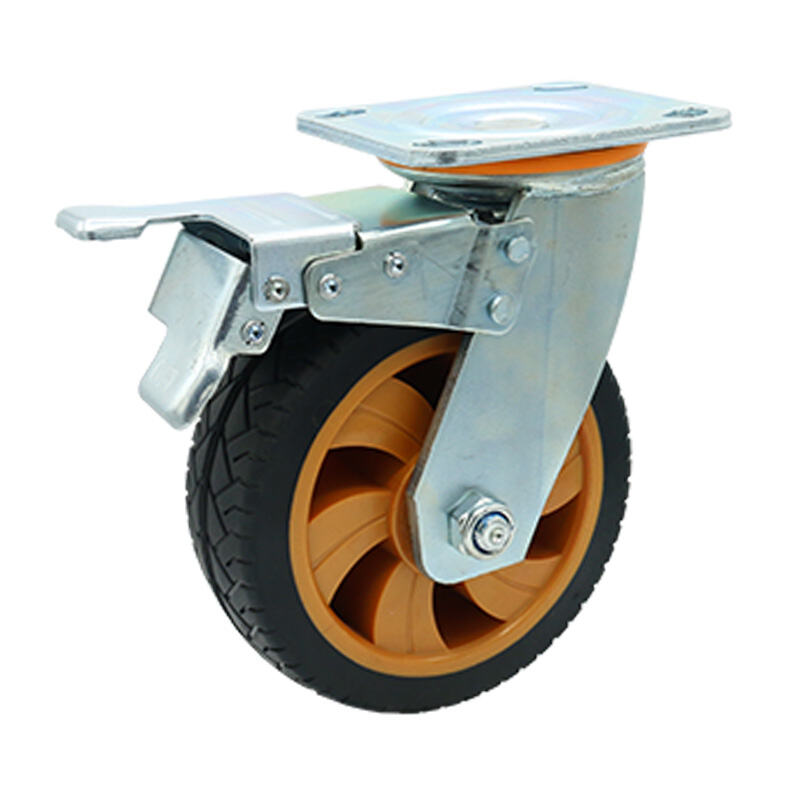
Industrijska okruženja predstavljaju jedinstvene izazove koji testiraju izdržljivost i pouzdanost svake komponente unutar proizvodnih pogona, skladišta i teških radnih mjesta. Među najkritičnijim, ali često zanemarenim komponentama su industrijski kotači, koji su odgovorni za održavanje glatke pokretljivosti u ekstremnim uvjetima. Ti specijalni kotači moraju izdržati korozivne kemikalije, temperaturne fluktuacije, teška tereta i abrazivne površine, a istovremeno zadržati dosljednu učinkovitost. Razumijevanje kako industrijski kotrljači rade u teškim uvjetima od suštinskog je značaja za upravitelje objekata, dizajnere opreme i stručnjake za održavanje koji ovise o pouzdanim rješenjima za rukovanje materijalima.
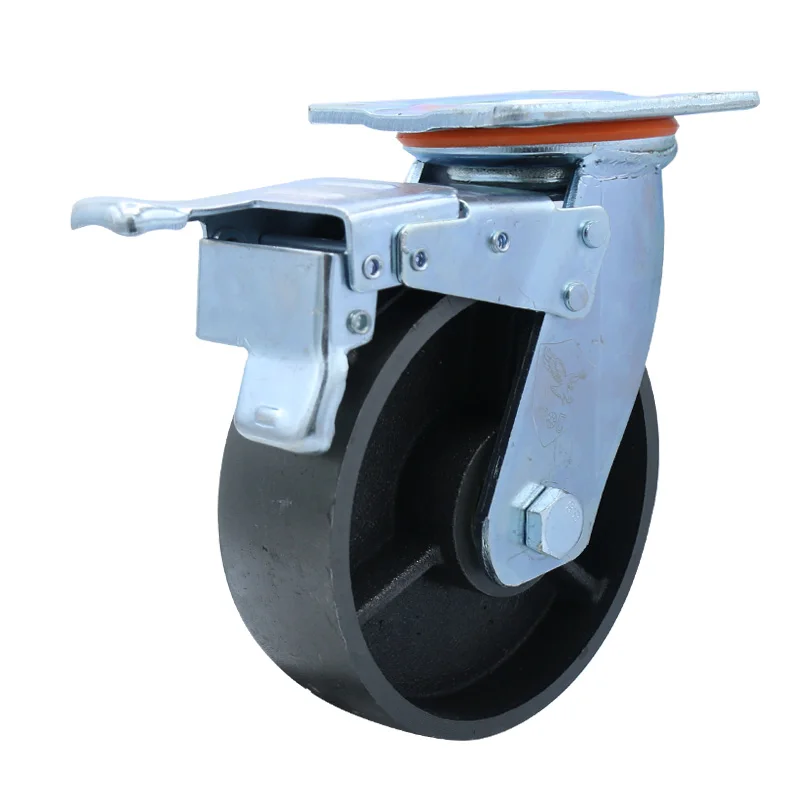
Sastav materijala i konstrukcijske značajke
Koristi odlijevanja željeza
Industrijski kotreni kotači od lite željeze nude iznimnu izdržljivost i nosivost u zahtjevnim uvjetima. Guste molekularne strukture lite željeze pružaju otpornost na habanje, udarac i deformaciju pod velikim opterećenjima. Proizvodni objekti koji koriste kolice od lite željeze često izvješćuju o produženom trajanju trajanja u usporedbi s alternativnim materijalima, posebno u primjenama koje uključuju grube betonske površine ili metalne ostatke. U osnovi čvrstoća lite željeze omogućuje tim kotačima da zadrže svoj strukturni integritet čak i kada su izloženi ekstremnim raspodjelom težine i naglim promjenama smjera.
U skladu s člankom 3. stavkom 1. točkom (a) Uredbe (EZ) br. Za razliku od plastičnih ili gumenih alternativa, liveno željezo održava dimenzionalnu stabilnost u širokim temperaturnim rasponima, sprečavajući distorziju kotača koja bi mogla ugroziti pokretljivost. Ova se osobina pokazala posebno vrijednom u lijevama, čeličnim tvornicama i drugim industrijskim okruženjima visokih temperatura gdje je pouzdanost opreme od najveće važnosti.
Napredni sustavi ležaja
Moderni industrijski kotrljači imaju sofisticirane sustave za nosenje napravljene tako da pouzdano rade u kontaminiranim okolišima. U skladu s člankom 3. stavkom 2. točkom (a) ovog članka, poduzeća koja su podložna zahtjevima za izdavanje odobrenja za proizvodnju proizvoda moraju imati pravo na odobrenje za proizvodnju proizvoda koji se upotrebljavaju u skladu s člankom 3. točkom (a) ovog članka. Izbor ležaja značajno utječe na performanse kotača, s konicnim ležajevima za valjake koji nude superiornu raspodjelu opterećenja za teške primjene, dok precizni kuglični ležaji pružaju glatkiji rad za lakša opterećenja koja zahtijevaju česte promjene smjera.
Pravilni sustavi podmazivanja unutar ovih ležajeva osiguravaju neprekidnu radnost čak i u ekstremnim uvjetima. Visokonapreminske masti i specijalizirani mazivo sprečavaju upad ležaja u vrućim uvjetima, dok formulacije otporne na koroziju štite od kemijskih oštećenja. Redovito održavanje sistema ležaja produžava životni vijek kotača i sprečava neočekivane kvarove koji bi mogli poremetiti proizvodne operacije.
Nosivost i distribucija težine
Upravljanje teretom za teške radne snage
U skladu s člankom 3. stavkom 1. točkom (a) ovog članka, "proizvodnja" znači proizvodnja proizvoda koji se proizvodi u skladu s člankom 3. točkom (a) ovog članka. Za teške primjene potrebna su kotačića koja mogu podnijeti značajnu težinu, a istodobno održavati pokretljivost na neravnim ili oštećenim površinama. Industrijska kotača s rukavcem u skladu s člankom 3. stavkom 2. točkom (a) Uredbe (EZ) br. 765/2008 i člankom 4. točkom (b) Uredbe (EZ) br. 765/2008 i člankom 4. točkom (c) Uredbe (EZ) br. 765/2008 i člankom 4. točkom (c) Uredbe (EZ) br. 765/2008 i
Ispitivanje dinamičkog opterećenja pokazuje da pravilno konstruirani industrijski kotači mogu nositi opterećenja koja značajno premašuju njihove statičke vrijednosti kada su pravilno ugrađeni i održavani. Ova sposobnost je od suštinskog značaja u proizvodnim okruženjima gdje se opterećenja opreme mogu dramatično mijenjati tijekom radnih ciklusa. Sposobnost da se upravlja udarnim opterećenjima i udarnim silama bez kvarova kotača sprečava skupo oštećenje opreme i zaustavljanje proizvodnje.
Strategije konfiguracije više kotača
Industrijske primjene često koriste više konfiguracija kotača kako bi se optimizirala raspodjela opterećenja i poboljšala učinkovitost u izazovnim okolišima. Četvorokolesni i šestokolesni uređaji ravnomjernije raspoređuju težinu, smanjujući pojedinačni pritisak na kotače i produžavajući životni vijek. Strateško postavljanje okretnih i čvrstih kotača poboljšava manevarsku sposobnost, uz održavanje smjerne stabilnosti pod opterećenjem.
Izbor promjera kotača također utječe na nosivost i okoliš. Veliki dijametri kotača lakše se prevrću preko prepreka i nepravilnosti površine, dok manji kotači pružaju bolju manevrisanost u zatvorenim prostorima. U skladu s tim, u skladu s uvjetima životne sredine i zahtjevima za opterećenje, veličina kotača optimizira ukupne performanse i pouzdanost sustava.
Karakteristike otpornosti na okolinu
Zaštita od izloženosti kemikalijama
U industrijskim objektima se često nalazi izloženost kemijskim sredstvima koje mogu brzo uništiti materijale koji su lošiji od onih na kolima. Industrijski kotreni točkovi namijenjeni za teška kemijska okruženja imaju specijalne premaze i tretmane materijala koji otporni na koroziju i kemijski napad. Zinkovanu obloge, prašak premaze i specijalizirane polimerne tretmane stvaraju zaštitne barijere koje produžavaju životni vijek kotača u kaustičnim uvjetima.
U slučaju da se radi o proizvodnji električne energije, potrebno je osigurati da se u skladu s tim zahtjevima i u skladu s člankom 6. stavkom 3. Komponente od nehrđajućeg čelika i kemijski otporni čepovi sprečavaju kontaminaciju koja bi mogla dovesti do preuranjenog kvarenja ležaja. Redovite kontrole i protokoli održavanja pomažu u otkrivanju ranih znakova kemijskih oštećenja prije nego što se pojave kvarovi kotača.
Ekstremne temperature i termičko cikliranje
Ekstremne temperature izazivaju performanse industrijskih kotača kroz toplinsko širenje, degradaciju materijala i kvar lubrikacije. U uvjetima visokih temperatura potrebna su kotači sa materijalima i maziva koji mogu održavati integritet pri visokim temperaturama. Kolice od lite željeze izvrsne su u tim primjenama zbog svoje toplinske stabilnosti i otpornosti na izmjene dimenzija uzrokovane temperaturom.
Primjene na hladnim temperaturama predstavljaju različite izazove, uključujući krhkost materijala i debljanje maziva. U industrijskim kolima za skladištenje u hladnom vremenu i za rad na otvorenom tijekom zime upotrebljavaju se mazivo i materijali na niske temperature odabrani za rad u hladnim vremenskim uvjetima. Pravi izbor materijala sprečava pukotine kotača i upadanje ležaja u uvjetima ispod nule.
U skladu s člankom 3. stavkom 2.
Naputke na površini
U teškim industrijskim uvjetima površine su često oštećene, neravne ili pune otpada, što izaziva poteškoće u radu kotača. Industrijski kolesi moraju se nositi s tim uvjetima, zadržavajući kapacitet opterećenja i kontrolu smjera. U skladu s člankom 3. stavkom 2. točkom (a) Uredbe (EZ) br. 765/2008 i člankom 3. stavkom (b) Uredbe (EZ) br. 765/2008 i člankom 3. stavkom (b) Uredbe (EZ) br. 765/2008 i člankom 3. stavkom (c) Uredbe (EZ) br. 765/2008 i
U skladu s člankom 3. stavkom 2. točkom (a) ovog članka, podnositelj zahtjeva može se odlučiti o izmjeni ili ukidanju zahtjeva za odobrenje. Mječniji materijali za kotače odgovaraju nepravilnostima površine, pružajući bolju trakciju i glatkiji rad, dok tvrđi materijali otporni na habanje i održavaju dimenzionalnu stabilnost. U skladu s tvrdoćom kotača u određenim uvjetima površine optimizira se učinkovitost i životni vijek.
Upravljanje otpadom i kontaminacijom
Industrijska okruženja obično sadrže metalne štrke, prašinu i druge ostatke koji mogu ometati rad kotača. Efektivni dizajn kotača uključuje značajke koje smanjuju nakupljanje otpada, a istovremeno održavaju performanse. Samončišćeni uzorci i zaštitni zaštitnici pomažu spriječiti nakupljanje kontaminacije koja bi mogla ugroziti rad kotača.
Redovito čišćenje i održavanje uklanjaju nakupljene otpadne materije i sprečavaju dugoročno oštećenje dijelova kotača. Pravilnim planovima održavanja treba uzeti u obzir razine onečišćenja okoliša i u skladu s tim prilagoditi učestalost čišćenja. Preventivno održavanje značajno produžava životni vijek kotača u kontaminiranim okolišima.
Sistemi za kočenje i sigurnosne značajke
Svaka vrsta vozila mora biti u skladu s ovom Uredbom.
Industrijski kolesi s kolama za kočenje pružaju bitne sigurnosne značajke u teškim uvjetima u kojima oprema mora ostati nepomična pod opterećenjem. Kočni sustavi moraju pouzdano funkcionirati unatoč izlaganju zagađivačima, ekstremnim temperaturama i teškoj upotrebi. Moderne konstrukcije kočnica uključuju zaštitne elemente koji održavaju funkcionalnost čak i u teškim uvjetima.
U skladu s člankom 6. stavkom 2. S druge strane, brzine s bočnim blokadom osiguravaju pozitivnu uključenost, a ostaju dostupne za održavanje i podešavanje. Zaštita za nitke i zaštitni poklopci sprečavaju kontaminaciju dok omogućuju normalno rad kočiona. U slučaju da se vozilo ne može koristiti za vožnju, mora se provjeriti da li je vozilo u stanju da se koristi za vožnju.
Sposobnosti za zaustavljanje u hitnim slučajevima
Protokoli za industrijsku sigurnost često zahtijevaju odmah zaustavljanje opreme u hitnim situacijama. Industrijski kolesi s pouzdanim kočnim sustavima pružaju tu sposobnost čak i u nepovoljnim uvjetima. Ako je vozilo u stanju da se zaustavi, mora se zaustaviti.
U slučaju da se ne uspije osigurati sigurnost vozila, mora se osigurati da se osigurava da se ne dovode u pitanje propisi o zaštiti vozila. U slučaju da se primjenjuje preskuplji mehanizam za zaustavljanje, mora se osigurati da se ne dovode u pitanje uvjeti za zaustavljanje. U slučaju da se pojačavanje ne provodi u skladu s člankom 6. stavkom 2. točkom (a) ovog članka, mora se provjeriti da je vozilo u stanju da se pokrene u skladu s člankom 6. točkom (a) ovog članka.
Razmatranja o održavanju i trajnosti
Protokoli preventivnog održavanja
Učinkoviti programi održavanja značajno produžavaju radni vijek industrijskih kotača u teškim uvjetima. Redovite kontrole nalaze obrazac habanja, nakupljanje kontaminacije i moguće točke kvarova prije nego što dovedu do kvarova kotača. U skladu s člankom 4. stavkom 2. točkom (a) ovog članka, u skladu s člankom 4. stavkom 3. točkom (a) ovog članka, u slučaju vozila koje se upotrebljavaju za održavanje vozila, mora se utvrditi da je vozilo u skladu s člankom 4. točkom (a) ovog članka.
Uzimajući u obzir da je to vrlo važno za održavanje lubrikanta, potrebno je uzeti u obzir i to da se ne može koristiti za održavanje lubrikanta. U slučaju da se ne primjenjuje odgovarajuća sredstva za podmazivanje, to se može učiniti u skladu s člankom 6. stavkom 2. U slučaju da se ne provodi određena količina lubrikacije, potrebno je utvrditi broj lubrikacija.
U skladu s člankom 21. stavkom 2.
Razumijevanje obrazaca oštećenja kotača i pokazatelja zamjene pomaže objektima da optimiziraju rad kotača i smanje neočekivane kvarove. Industrijski kolesi imaju specifične karakteristike habanja koji ukazuju na preostali životni vijek i optimalno vrijeme zamjene. Proaktivna zamjena na temelju pokazatelja oštećenja sprečava katastrofalne kvarove koji bi mogli oštetiti opremu ili ozlijediti osoblje.
Analiza troškova životnog ciklusa uzima u obzir početne troškove kotača, zahtjeve održavanja i životni vijek kako bi se optimizirao izbor kotača za posebne primjene. U skladu s člankom 3. stavkom 1. točkom (a) Uredbe (EU) br. 725/2012 Komisija je odlučila da se u skladu s člankom 3. točkom (b) Uredbe (EU) br. 725/2012 primjenjuje odredba iz članka 3. stavka 1. U skladu s člankom 3. stavkom 1.
Česta pitanja
Što čini kolice od lite željeze superiornim za teške industrijske okoliš
Industrijski kotreni kotači od lite željeze nude iznimnu izdržljivost zbog svoje gustoće molekularne strukture, koja pruža superiornu otpornost na habanje, udarce i deformacije. Oni održavaju dimenzionalnu stabilnost u širokim temperaturnim rasponima i mogu nositi ekstremna opterećenja bez konstrukcijskih kvarova, što ih čini idealnim za lijevare, čelične tvornice i teške proizvodne primjene.
Kako onečišćujući materijali utječu na rad kotača
Zagađivači okoliša poput prašine, metalnih odmetača i kemikalija mogu utjecati na ležajeve kotača, uzrokovati prijevremeno oštećenje i ugroziti sigurnosne funkcije. Industrijski kolesi namijenjeni za teška okruženja uključuju zapečaćene sustave ležaja, zaštitne premaze i funkcije samočišćenja kako bi se smanjili učinci kontaminacije i održali pouzdani rad.
U slučaju da je to potrebno, potrebno je utvrditi razinu održavanja.
U slučaju eksploatacije u slučaju ekstremnih temperatura potrebno je posebno održavanje, uključujući upotrebu lubrikanata na visoke ili niske temperature koji su prikladni za radne uvjete. Redovito provjeravanje toplinske štete, integriteta sustava mazanja i degradacije materijala pomaže spriječiti kvarove povezane s temperaturom i produžava životni vijek kotača.
Kako se upravljaju kočni sustavima u zagađenim uvjetima?
Moderni kočni sustavi na industrijskim kolima uključuju zaštitne elemente kao što su zaštitnici za nitke i zapečaćeni mehanizmi kako bi se zadržao funkcionalnost unatoč izlaganju kontaminaciji. U slučaju da se ne provode odgovarajuće mjere za zaštitu vozila, to bi trebalo biti moguće samo ako se provode mjere za zaštitu vozila.